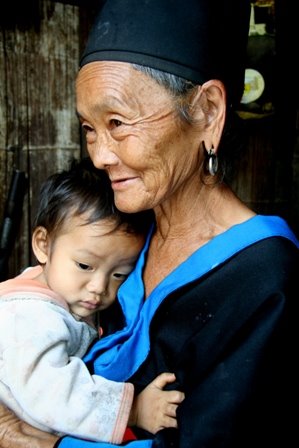
Con yêu,
Mẹ đang đứng ở Đền Thành Hoàng, thì Tuấn gọi điện và bảo với mẹ rằng, có kết quả rồi. Thoạt Lúc đó mẹ nhìn đồng hồ là 9.55 phút ngày 21 tháng 12 dương lịch và là ngày 25 tháng 11 âm lịch, năm mậu Tí. Mẹ những nghĩ rằng, giờ thiêng đấy con yêu ạ.
Mẹ cầu chúc cho hai con mạnh khoẻ và hãy nghĩ về những gì trong sáng, nên thơ nhất. Hãy bỏ qua việc vặt hàng ngày hàng tháng như mặt hồ thu không in lại bóng con chim nhạn khi chim đã bay.
Mẹ yêu hai con rất nhiều.
Saturday, December 20, 2008

Thursday, November 27, 2008
Human Ecology Farming System
Farmer who are understanding Human Ecology Farming's system, the bellow respectation will be formalutated:

1. Systematic formulation;
2. Interaction formulation;
3. Unique formulation;
4. Diverse formulation;
5. Adaptable formulation
Wise Farming system always try to apply these above five principles of the Human Ecology Interaction in any landscape design.
Saturday, November 22, 2008
Philosophy of Ecolog - Farming
 Vertical System need to be influence and impact:
1. An Inspiring Vision
2. Right person - who are leading enterpreunership
3. Wise Strategy to welcome highquality mind and Values
Horizental Strucuture need to be raised awareness:
1. Networking and welcoming different identity
2. Equality behaviour and respecting diversity
3. Professional & systematic management system
Reviewing regularly and moving forwards step by steps in careful acting in order to nurturing moral and ethical concern inter - generation towards the environment and planet.
Friday, November 21, 2008
Tuyệt tác để lại cho đời của Giàng Seo Sử - K1A
TUYỆT TÁC để lại cho ĐỜI, cho NGƯỜI và cho cả THIÊN NHIÊN
của Giàng Seo Sử - K1A.
Điều gì em thú vị nhất sau 12 tháng thực hành Nhà nông Sinh thái tại HEPA? Tôi hỏi em!.
Giàng Seo Sử cười mỉm, dừng chân và thỏ thẻ trên con đường từ vườn trang trại về nhà ăn của HEPA : Thưa cô, em học được nhiều điều!.
Điều gì em tâm đắc nhất, có thể kể cô Lành nghe được không?
Dạ có ạ! Sử bẻn lẻn trả lời tôi.
Trời vẫn mưa, nhưng giọt mưa chiều nay dịu dàng hơn vì có ánh nắng sau nhiều ngày sướt mướt của trời. Tôi nhẹ nhàng giang tay cầm cánh tay vạm vỡ của em ý tứ nói rằng, hãy tự tin và đi cùng cô về nhà ăn, kẻo bị ướt.
Cô cháu tôi bước đi chầm chậm, Giàng Seo Sử bắt đầu, giọng em vốn vẫn chưa quen thuộc với lối phát âm của người Kinh. Và có lẽ vì bập bẹ nói tiếng kinh nên em luôn tạo ra sự tò mò và kiên nhẫn mỗi khi nghe em kể chuyện về người Mong.
Em bắt đầu: " Cô ơi, hôm đó buổi trưa, các bạn của em đang say sưa ngủ, ngoài trời mưa, em cầm quyển sách của Thầy Phương - " thời gian là vàng" vừa đọc vừa suy nghĩ. Cuối cùng em xuống cầu thang và ngắm nhìn những giọt mưa rơi. Những giọt mưa rơi xuống đất. Có những giọt mưa rơi lên các lá cây nằm trên đất. Em quan sát, và em nhìn thấy, những hạt mưa rơi trên đất đã mang theo những hạt bụi đất trôi đi cùng mưa. Còn những hạt mưa rơi trên lá cây, nước từ lá cây lan toả ra và ngấm dần xuống dưới mặt đất, không mang theo những hạt đất cùng đi. Em tự hỏi mình: bài học tấp tủ của nhà trường cho đến bây giờ, sau khi dõi theo những giọt nước mưa rơi thẳng xuống đất, và những giọt nước mưa rơi qua lá cây, em mới thực sự sáng ra rằng, mình thực hành bài tấp tủ là rất tốt cô ạ!.
Thế là em đi tìm mấy cái bì tải, và hốt những đống mùn cưa trước cửa nhà sàn để mang đi tấp tủ những luống đất của vườn em. Em muốn chia sẽ bài học này cùng các bạn. Sử cười và nhìn tôi với đôi mắt trên khuôn mặt đôn hậu của em như muốn nói với tôi rằng, cô có vui không?
Hiểu ý em, tôi ngắt lời " Cô sẽ trao đổi với Thầy Châu bố trí thời gian để em chia sẽ những quan sát giản đơn nhưng đầy ý nghĩa này của em trong một ngày gần nhất.
Tưởng chuyện đến đây kết thúc, bụng tôi đã bắt đầu thấy rỗng, và cái miệng thì muốn ăn rồi, nhưng Sử vẫn tiếp tục trong bộ quần áo ướt sũng và đôi giày bộ đội lấm đầy những cục bùn và nham nhỡ.
Cô ơi, hôm em về bản, đi làm đổi công với Bác của em. Nó đã già rồi. Cùng lên nương, nó nói với em rằng "ôi, Bác làm nương này đã hơn 20 năm, cứ mỗi năm Bác cày một lần, mỗi lần Bác cày xới từ 15 đến 20 centimet đất lên để trồng ngô. Bác thấy các hòn đá lớn rất nhanh, lớn nhanh hơn cả những cây ngô của Bác. Ví dụ cái hòn đá trước mặt này, cách đây 20 năm Bác không ngồi được vì nó nhỏ quá, mình đặt cái đít của mình lên cũng khó. Nhưng bây giờ, nó lớn đến nỗi, cả nhà mình ngồi lên đây ăn cơm vẫn còn rộng rãi thoải mái. Sao mà hòn đá này nó lớn nhanh đến thế hả cháu. Không những hòn đá này, mà cả nương này, các hòn đá đều lớn trong thấy sau mỗi vụ làm nương".
Em nghe Bác nói xong, em giải thích cho Bác em là: "Bác ơi, không phải như thế đâu. Cháu được học ở mái trường của cháu, cháu hiểu và cháu muốn chia sẽ với Bác là không phải đá lớn nhanh như thế đâu Bác ạ!. Mà là tại vì trên đỉnh núi nương này mình không còn cây nào nữa. Chúng ta đã chặt hết mất cây rồi. Cái nương này của chúng ta như là thân thể của chúng ta vậy, mà đỉnh nương này nó cũng giống như cái đầu của chúng ta. Nếu cái đầu của chúng ta không có cái tóc, chúng ta đi mưa, đi nắng không đội mũ, gặp mưa, những giọt mưa sẽ rơi xuống đầu, xuống mặt, chúng ta sẽ thấy đau đớn.
Cái đỉnh núi của nương này không có cây, giống như cái đầu không có tóc và không đội mũ, khi mưa rơi, nó cũng gây ra sự đau đớn cho đầu của đỉnh núi và mặt của nương núi này. Và sẽ gây ra xói mòn hết tất cả những bề mặt của đỉnh núi. Trên bề mặt đó có nhiều chất dinh dưỡng, hàng năm vì không có áo mặc nên đã trôi đi theo mưa. Hơn 20 năm, mỗi năm chắc nó phải trôi đi từ 15 -20 centimet khi Bác cày xới lên để trồng ngô.
Cháu được học cách tấp tủ, cháu được hiểu cách làm đường đồng mức và những cổng tràn của các đường đồng mức trên đất dốc ở trường, nó như thế này Bác ạ. Cháu được học cách trồng cây cố định đạm từ khí trời để cải tạo đất, để chống xói mòn. Cho nên trên nương của chúng ta cũng cần phải áp dụng như vậy. Ta phải trồng cây và giữ gìn cây trên đỉnh núi, như mái tóc và cái mũ trên đầu con người vậy. Ta phải thiết kế những đường đồng mức chống xói mòn và trồng các loại cây như cây ĐẬU CÔNG vùng của mình Bác ạ. Nếu ta không có cái mũ trên đỉnh núi che mưa che nắng thì mưa sẽ mang theo tất cả những chất dinh dưỡng của cái nương này trôi xuống suối. Và sẽ để lại một mình những hòn đá càng càng ngày càng trơ trọi. Và hòn đá không lớn lên, mà chính là bề mặt lớp đất và dinh dưỡng của đất trên nương mất đi mà thôi Bác ạ. Nếu chúng ta không trồng xen nhiều loại cây, chúng ta không giữ gìn và bảo vệ cây to trên đỉnh núi, không thiết kế các đường đồng mức và những cổng tràn thoát nước từ từ từ trên xuống, bề mặt đất hàng năm sẽ mất đi tương đuơng với tầng cày đất 15 - 20 centimet/một vụ. Và như thế hòn đá này sẽ ngày càng phải phơi mình trong mưa nắng. Trước đây hòn đá được mặc một lớp áo bằng bề mặt dinh dưỡng của tầng đất. Nay Đá bị lột bộ quần áo của mình rồi, nên lộ trần ra toàn thân trên mặt đất, chứ không phải đá lớn nhanh hơn cây ngô đâu Bác ạ".
Tôi nuốt từng lời và quên cảm giác đói cồn cào chỉ mới cách một vài chục phút, bởi em kể từ từ và chậm rãi, vừa kể, vừa vẻ lên trên con đường tôi và em dừng lại ở gốc cây Keo.
Tôi không chỉ nuốt từng lời mà, tất cả những lời bập bẹ chưa sỏi tiếng Kinh của em đã từ từ ngấm vào trong từng huyết mạch và ngõ ngách của tâm trí tôi. Sử tiếp tục và rất say sưa:
" Cô ơi, nó nghe xong nó nói: Bác già rồi, mà sao lại ngu thế, bây giờ Bác mới biết là mình đã đối xử không tốt với cái hòn đá này, chứ không phải là nó lớn nhanh như thế"
Cảm giác của tôi lúc này thật ân hận vì không mang theo cái máy để ghi âm và ghi hình tất cả những lời chậm rãi, những cử chỉ đáng yêu của một diễn viên quần chùng trong đôi giày nhầy nhụa bùn và phân ủ - đang diễn một TUYỆT TÁC tự nhiên trần trụi trên nương kia mà em Giàng Seo Sử là người vừa đạo diễn, vừa đóng vai trên sân khấu giữa núi rừng HEPA lạnh và mưa phùn. Cả không gian sinh tồn HEPA như lặng đi bởi TUYỆT TÁC tự nhiên đang thầm lặng - từ từ và chậm rãi cảm nhận những bước tuần tự thăng hoa tiến chức cho chính mình từ một em học sinh người Mong Giàng Seo Sử.
Sử mỉm cười đáng yêu và tiếp tục: "em nói với nó rằng, bây giờ Bác trồng cây và làm như cháu vừa chia sẽ cũng chưa muộn, vì con cháu mình sau này, nó sẽ cảm ơn mình. Nếu mình biết rồi mà không trồng và không làm như thế, con cháu mình nó sẽ chẳng còn cái nương mà làm ăn, chắc chắn nó sẽ chửi cho mình là ăn hết phần của nó mà không biết"
Chợt trong tôi những suy tư và cảm nhận: "cảm ơn ông Trời đã cho tôi gặp em chiều nay trong không gian HEPA lạnh và mưa, em đã sưởi ấm tôi và làm no lòng tôi. Tôi không thấy đói, mà cũng chẳng thèm ăn nữa, chỉ muốn quay về phòng viết lên tất cả những gì em kể lên trang giấy để đời về một TUYỆT TÁC mà, cả không gian HEPA đã lặng đi trong chốc lát để nghe em, để thưởng thức tác phẩm của em về sự lớn lên của hòn đá trên nương và ông già sau 20 năm vẫn cày và vẫn dõi theo hòn đá trưởng thành"
Chắc hẳn, những TUYỆT TÁC này cũng sẽ giống như hạt mưa mang theo những hạt đất đi về với Biển nếu em Giàng Seo Sử không gặp được người tỉ tê tâm sự như hôm nay, và mê say với những gì tưởng là VÔ TÍCH SỰ. Và những thứ VÔ TÍCH SỰ kiểu này đã để lại những TRIẾT LÝ cho đời, cho người, cho thiên nhiên hôm nay và mai sau, cũng sẽ trôi đi như những hạt mưa rơi thẳng xuống đất và trôi về biển cả, nếu em không được gặp những trái tim đồng cảm như em!?.
TUYỆT TÁC HÒN ĐÁ lớn nhanh hơn cây ngô của một ông Già thủy chung và đằng đẵng 20 năm về trước, và cho đến hôm nay khi Già nhận ra tất cả đã thốt lên lời "ÂN HẬN" của đời mình.
Tôi chầm chậm nhắc em "Em hãy viết lên những lời em kể để lại cho mai sau, một ngày gần nhất, em chia sẽ câu chuyện bổ ích này cho cả lớp, cả trường và các tình nguyện viên thưởng thức và chiêm ngưỡng câu chuyện của em và ông già trên nương như một sáng kiến tiếp cận có một không hai vậy".
Em Giàng Seo Sử hình như tự tin hơn và cảm giác có lẽ cũng giống tôi lúc này!./.
Ecolog - Farming Design Steps
SPERI's Human Ecology theory to translate its interaction between human - landscape in to several steps that are needed for farmer to consider before intervention. In 0rder to achieve a harmonious farming practices, it needs to be sure of : minimizing selfishness, nurturing human behaviour and following the landscape. The steps are bellow to drafting general levels for junior farmer school to foot:
The first step: Overviewing Farm's landscape and transect cutting;
The second step: Careful finding the holistic and specific interaction;
The third step: Recognize edging and linking diverse gravitation for encouragement;
The four step: Being accountable and open minded;
The five step: Valueing renewal included waste;
The six step: Systematic design and specific classification;
The seven step: Experimentation and re - observation;
The eigh step : Effect and impact indicator analysis and lesson learned;
The nine step: Application and documentation;
The ten step: extension and Multi - Media
Thursday, November 20, 2008
Telling story - by Giang Seo Su
Question was: " what would you feel the most impressive lesson learned during last 12 months Su"?
Su was smilling with me and stop walking on the way he turned back the chikchen of FFS - HEPA, after hours mulching his farm site.
It was an amazing conversation with around an hour between Su and I about his story which happenning at his holiday at his village some weeks ago.
The story was: "the stone is growing quicker than the tree" - the elder in his village - Can Chu su - Can Cau community - Simacai district - Lao cai Province, said!
I became very interesting by such sentence of the elder said to Giang Seo Su.
I laugh and asked him why the elder said so?
Su smilling with slowly and slowly continue:
Later on
Encouraging the smaller the better by Ly Seo Vu's Farming site
Try to facilitate Ly Seo Vu to apply the action research of:
Step 1: Encouraging Ly Seo Vu to be free to chose some terraces in his farm site in order to apply the method of Mark Agnew - Young Ambassidor's project by linking initiative;
Step 2: Try to create three livings of soil erosion observing:
First living soil: vegetable with compost and mulching "cay phan xanh and cut lon"
Second living soil: vegetable with compost without mulching
Third living soil : vegetable with Effective Micro Organism - EM without mulching
See what & how will be happening in the above three behave of farming towards soil erosion indicators
Starting whenever Ly Seo Vu start to implementing his farm site - depending on the process of K1A's master planning later on
How to maintaining and developing in a sustainable farming attitude
Following and continueing step 12:
Step 13: The students of K1A who have been challenging and start to achieve some initiative of their long dream, HEPA's philosophical Framework of "Teaching by Learning - Learning by Doing" is going to offer all student to come back their communities to finding for their right followers who will come to FFS - HEPA and to be learner;
Step 14: The student of K1A and their own follower will be free to practice what & how they have been learning and finding semi - semi between FFS HEPA and their own traditional farming manner in daily action. Diary and note taking in detail will be practiced under both trainer and trainees in one farm site.
Step 15: The student of K1A will play two role and position to ruling their own farming site:
First role is training her or his follower who he or she has been finding in their own community context;
Second role is linking and feadback at the same time to be a learner towards FFS - HEPA's senior and trainers of Ecological Farming Approach
Step 16: Successor of the follower who could be able enough to take over the farm site of the pioneer and he or she become confident to continue as such as the student K1A at the step 1 - 12 above. The following up continuously as the water flows for ever with regularly evaluation and monitoring such learning process.
Step 17: Upgrading the whole processes including Practical Curriculums such their own farm achievement and documentation from farming, from experiment diary, from farm demonstration at FFS - HEPA, at household Farming, at community Farming, at Regional Farming awareness and behave, then!!!???
Step 18: footing ahead in to Mekong Highland and rivers, in to Asian Conferences, in to World Social Forum and, connecting with World Economic Forum as such as " Ethical and Moralization of the Modern and Global dominant and abused" to our Human - landscape of the Livings.
See what & how outcome indicators will be performance in FFS - HEPA
From Disciplinable Farming in to larger
Continue with step 10:
Step 11: Outcomes from seminar, workshop, conferences and documentation; it will be a next paradigm shifts in to articles and manuals to submit to different medias, and leveling up from student farms to community farms - school gardens, hospital gardens, public garden, curriculums of the high school, university, policy making processes, especially to direct present data based in to Ministry of Agriculture and Rural Development - Mard and MORE - Resourse and Environment.
Step 12. Outcomes from step 11, will be presenting how and what valuable of the traditional wisdom and primigenial experiences that have been resepecting and applying in to FFS - HEPA's farming lesson
From Univeral Farming Attitude to Holistic Disciplinable Farming
Thinking towards harmoney of our Stable Natural Holistic Landscape, we need to questioning ourselves about what and how our behaviour with our farming's practices in our farm site in any time of the day, of the week, of the month, of the seasonality, of the crop and of the changing over of our Farm Landscape Site.
SPERI's Human Ecology theory have been indicating and performing in a specific and logic experiment behaviour towards our holistic Disciplinable Farming cases.
Naxai - Black Thai, Long Lan - Hmong - Lao PDR, Ao Vua - Bavi by Mr Duong Kim Nhan - Man Son dau 0- Dzao quan chet, On oc - Red Hmong, Ke - Malieng, Can Ho - Ho Clan, Kenh ngo - Gia rai, Masamai - Hmong - Chiang mai Thailand, Nam Kha - Kho mu - Lao PDR, they are all cases to reflecting the manner and the social behaviour towards their Landscape's interacting and respecting system.
To insighting the values of different farming manners which have been influencing in hundred years ago such:
1. Traditional ways - using natural shifting cultivation of the ancestral hunting and picking under their primigenial civil society towards their pioneer leadership;
2. Traditional ways - applying shipting cultivation & ancient wisdom to harmonize and satisfy daily self - sufficiency of livelihood and their own communal primigenial moral and ethnical identity;
3. Traditional ways - be pressured by topdown political power of farming using mass's media such the farmer union, women union, youth union and official conservative collective system;
4. Semi - traditional ways - be applying new techique with high yield with concern about prehistorical commercial farming purposes under official conservative collective system;
5. New commercial mono - crops with export to aim to maximizing foreign exchange from the Agrobilogy - Agrobotany - Agroecology and Agrochemistry;
6. Industrial - Commercial Mono - Crops with Genetic Modification Organism without moral and ethical respectation as such as nowadays in all overall of the planet.
To narrow down so universal holistic cirises today that our 80% of our population are being misery, then HEPA - FFS - SPERI, we should try to practice with our students from different Landscape and identity some experiment as bellow:
Level one of Ecological Farming Framework: focus on behave towards their traditional moral and ethical concern in any learning and doing. Their Conceptual understanding which has been footing from different student's Landscapes's perspectives of their values and diversities. To make sure all students are confident and freedom to be pround themselves towards their own traditional primigenial wisdom and practices.
Level two: Translating the outcomes from the level one in to individual farming site including:
Step 1: Holistic - Specific Observation on the landscape where student be decided to be their own farm site included transect interaction with surrounding neighbour landscapes;
Step 2: Openning discussion among different student's outcomes from Step 1 and welcoming any feadback and criticize amongst;
Step 3: Re - transect cutting to refinding and redefining holistic and specific component and element inside their own farm site and, in relationship with neighbours;
Step 4: Drafting design and presenting to all included friends, farmers, senior, tutors and supervisors to get feadback and criticize once again before acting in to your own landscape site;
Step 5: Openning discussion and presenting each landscape designed and see what and how should and would be interaction between your Landscape and neighbours. See if it would be respecting the whole systematic views of the landscape at large;
Step 6: Implementation and experiment step by step with reminding and questioning selves's behaviour in your farming site under note and detail taking diary
Step 7: Integration and application with research and study while to deal with farming in HEPA - FFS contextual framework of K1A as such as position of initiating process of "Teaching by learning - Learning by Doing" philosophy.
Step 8: Monthly monitoring and review to update in to curriculum for learning and encouraging any initiative among student to develop furthers;
Step 9: Evaluation and public awareness raising any challenges, successes or failures
Step 10: Seminar - workshop - conference or shifting in to policy analysis and engaging in to formal education training for better cooperation in farming system
Detailed will be later sentences
Traditional Farming Manner translate in to universal farming attitude
Our Earth so far and nowadays have been facing and suffering with the human's selfished and abused.
The power relation have been given different chances to a small group of the people who handling the political power to drive the values of the holistic existence's life of our planet in to such a crisis situation and conflict over surrvival for all organism's existent life on and inside our Landscape.
How we are dealing with?
We are one?!
We are separating ?!
We are networking?!
We are interacting?!
We are engaging?!
We are nurturing?!
We are respecting?!
We are hand in hand towards supporting universal and diversity?!
We are looking and acting forwards to our self - determination and Environmental Justice of our Human - Natural's Dignity & diversity?!
Human Ecology Theory translate in to traditional farming manner
Human Ecology and Traditional Practical Farming manner are interacting and learning paradigm.
These interacting and learning paradigm is changing overbehave of the farmer and their crops towards how farmer's respecting their Landscape and valueing its characteristic and specific in the holistic view.
Human Ecology which is connecting, coordinating, calculating and consulting in order to facilitate the farmer who are farming in Slop Land should understand their own Landscape.
Human Ecology perspective try to exercise together with the farmers in order to recognize whenever they havest from the Landscape, it is not free in the context of the inter - connection to their later generatioin to surrvive. It means that they have been loaning from the Natural Landscape, and their futures will have to pay back.
Most of our farmer population in the world have been concerning about how much and how many material and capital from the Landscape that they can havest.
Fewer of our farmer population could patient enough to observe, to listen the revealing of their surrounding Landscape. And try to see what and how all inter - existence's life being in their farm site and during farming practices.
We try to experiment of different ways of farming that our farmer have to dealing with their livelihood and daily existence.
Later on
Wednesday, November 19, 2008
OBAMA Leader is seeking the right person to hand in hand
World today is not to offer for the "power and dominant" group any more.
OBAMA, you are and the image you have been trying best so far, to indicate that, the power of the Dignity start to action.
You are the one to initiate all of the grassroot society - as such as we:
1. To regenerate our Trust feeling back;
2. We are thinking about someoneelses in some where are thinking about us;
3. Some one in elsewhere are thinking about we are thinking about them a losts;
4. Someoneelse in some where and we - both of us are thinking about our greet mother - Natural Spirituality are still beside us to nurture - listen to fight against weapon and violence surrounding nature and people;
5. Let hand in hand together in order to gain more peace, harmoney, dignity and diversity for all wealthy and self - determiniation
We are looking acting forwards with you to build the better life
Khung dao tao Nha Nong Sinh Thai tre luu vuc Mekong
PRACTICAL BASED TRAINING PROGRAMME
ON AGRO-ECOLOGICAL FARMING SYSTEM
Background
Overuse of resources and the lack of caring attitude towards Human-Nature relationships in many sensitive watershed ecosystems have been the major causes leading to land desertification problems, gradual erosion of social traditions, and the losses of ecological biodiversity. The “quick” run towards increasing productivity in agricultural production along with priorities in mechanized, industrialized, and urbanized “development” approaches have emerged new-problems; and that, not answering the above concerns.
Millions of indigenous youths of ages from 18 to 35 living in the most isolated highland areas in Vietnam have continued to challenge themselves with the hard-setting of natural landscape (being destroyed by outsiders). Indigenous communities have to on the one hand fight against their every day’s poverty; on the other struggling to search the ground where they could stand firm to at least keep certain cultural values and identity. It is at extreme challenge for indigenous groups to remain strong in dealing with the rapidly changing global market.
Social Policy Ecology Research Institute and its network of Satellite Field Schools, based in key highland areas[1], have attempted to try an Alternative Development Approach i.e. promote the capacity-building for young indigenous farmers. We do this by continuously upgrading our own Practical based Training Programme on Agro-Ecological Farming System. This training programme would hope to somehow assist Indigenous Youths to become good, genuine, and professional[2] indigenous farmers; or at least they were willing to take up challenges in putting agro-ecological farming practices into practice once they were in the leadership positions. We strongly wish that our accumulated small good deeds with much educational focuses could build-on as sound solutions and long term strategies to reduce Global Warming impacts and other possible unsecured threats that happen to the existence of many current ecological niches.
Objectives
To build on a good group of indigenous youths, those who show enthusiasm and remain strong interests, to become genuinely professional and confident indigenous farmers. They could later become active members of the Agro-Ecological Farms’ Networking and work in close relation with farmers of MECO-ECOTRA[3];
To form an association of young indigenous farmers of which each farmer plays a leadership role in initiating the practice of agro-ecological farming practices on their farm first. The scale from each farm can later be extending to other individual farm-house, community farm-zone, regional farm-area, and inter-regional farm-land;
To continue upgrading a systematic and practical-based training manual(s). The training manuals emphasize the importance of local situated knowledge of indigenous communities;
To form different forums to discuss issues - share experiences on the dynamics and complexity of the nature system in relation to effective land use planning for long term livelihood strategies of farmers;
Strategies
Nurturing groups of indigenous youths [with election and selection] at different key highland areas (during and after the training programme); build up a strong network with these youths at all levels (a) individual farm-houses, (b) community farms, and (c) regional farming network;
Nurturing prospective human-seeds (i.e. those are voluntarily behaving with nature with good nature, own internal power towards enhancing ethnicity pride and community values; well maintain good manner in the daily responsibility with eco-lifestyle; and constantly propose critical thining and initiating new ideas/innovations;
Building strong linkages between indigenous youths and other senior farmers/key farmers to promote sharing of knowledge and experiences; whilst enriching ideas and collective actions towards improving effective land use planning and resources management;
Updating regularly the training programme and where possible explore and develop issues to more advanced level e.g. applied research studies, analytical discussions of matters that happen on the ground but relate to policy lobby;
Running forums and field study trips for students, researchers, media, and also policy makers to observe and learn;
Training methodology: Our students are key inspirational resources. Their needs and concerns, their attitude on learning-by-doing play the most important role in improving our practical based training manuals. Together with elders and farmers in the MECO-ECOTRA[4], friends and colleagues, international experts and interns, and neighboring vocational and high schools; we would hope to complete step-by-step our training and teaching methodology.
Holistic training programme:
Foundational Understanding and Fundamental Concepts;
Attitudinal and Behavioral Changes;
Professional Ecological Farmhouse;
Study and Publications - Public Awaring Enhancing - Policy Lobby;
Ecological Services and International Exchanges;
Pre-requisite: see details in Annex I
Location: Human Ecology Protected Areas[5] in Son Kim I commune, Huong Son district, Ha Tinh province; belonged to Social Policy Ecology Research Institute.
Duration: 3 years (equivalent to 36 months = 4,800 credits)
Part I: Foundational Understanding and Fundamental Concepts
Session I: Concepts and Definitions
Concepts[6]
Farm - Ecological Farm - Ecological Processes - Secured Ecofood;
Landscape, Landscape Design, Landscape Characterisics, Homeland Architecture, and Human Geography;
Ecological System - Ecological Diversity - Biodiversity - Cultural-Biodiversity, Community Ecology, Social Policy Ecology;
Community Values - Social Capital; Nature of Ecological Sytem and Environmental Justice;
Ethnic Religion - Community Religion, Customary Rules and Legal Framework;
Definitions[7]
Ecological Farm-house; Ecological Processes; and Food Security;
Landscape, Landscape Architecture, Landscape Characteristics, Homeland Architecture, and Human Geography;
Ecological System - Ecological Diversity - Biodiversity - Cultural-Biodiversity, Community Ecology, Social Policy Ecology;
Community Values - Social Capital; Nature of Ecological Sytem and Environmental Justice;
Ethnic Religion - Community Religion, Community Forests, Community Culture, Customary Rules and Legal Framework;
Session II – Practical-based Concepts[8]
Field Observations[9]
Landscape forms, and landscape characteristics;
Nature of the natural system, characteristics of different natural components (geomorphologic, altitude and slope, landscape functioning);
Advantageous features of each ecological component, decisive issues that relate to the continuity of the entire eco-system, interactive/dialectical relationships between eco-components;
Disadvantages and risks analysis of the system; solutions for future planning;
Nature of ecological processing;
Landscape Designing[10]
Draft design and holistic land use planning for the entire eco-farm;
Integrating local knowledge, local solutions, low cost techno for a small scale eco-farm;
Interactive relationships between natural characteristics of the landscape and the agro-eco-farming system;
Agro-Eco farming and its eco-products; strategies for branding;
Agro-Eco farming and strategies on educational tours (e.g. visiting, studying, touring, recreational services, educating, and lobbying policy changes);
Agro-Eco Farm Holistic Development Plan
Philosophy of action of the farm;
Strategies of implementation;
Priorities divided by time frame;
Operational plan (first three years - agreed between FFS and local community);
Expected feasible outcomes (of three years);
Plan of Action for Agro-Eco Farm
In according to weather season;
In according to crop season;
In according to each ecological zone in the farm;
In according to the whole farming system (with risks alert and solutions);
Plan of emergency;
Farm Diary[11]
Narratives - be concise and exact to any details of the farm;
Always updating inputs/outputs (inflows - outflows); time and schedule and activities developed on farm; cropping and seasons; making transect and mapping; and positioning new changes of the farm;
Short reviews, comments and updates of changes in the agro-eco farm components;
Costs - benefits analysis; costs-effectiveness analysis; and costs-effets of the farm;
Completion of farm diary and TOT for others;
Part II: Attitudinal and Behavioral Changes
Theme I: Moral Ground and Behavior
Session I: Farm Diary
Morality in narration, documentation, and information protection of all farm diary; ability to explore and find out new ideas/initiatives;
Technical designs for dairies of each type (by weather season, by crop season, by each ecological zone, and by holistic farming system);
Skills in making photos of all phenomenon/sceneries; and systematic recording files/photos and archives;
Skills in de-briefing; making comments; feedbacks; and analyse risks and future advantages;
Morality in information sharing and dissemination;
Skills in observing, sketch drafting, shooting, videoing, sounds integrating, and voices editing when introducting about landscape forms, landscape characteristics of all natural components in the agro-eco farm;
Skills in bridging between observation and field re-sketch;
Skills in making photos;
Skills in videoing;
Skills in introducting about landscape forms, landscape characteristics of all natural components in the agro-eco farm;
Skills in completing documents and making publications;
Session II: Enhancing New Skills
I. Skills in System Planning and Design:
Skills in learning the natural characters of nature; features of components in nature (including geomorphology, slope, and landscape);
Skills in differentiating the changes of landscape in the two ranges (a) in the visible range; and (b) in the farm-wide holistic exposures;
Skills in describing different ecological zones/components in the agro-eco farm system;
Skills in making interactive linkages between ecological zones/components;
Skills in combining varied components' advantages and developing for a full agro-eco farm system;
Skills in making holistic planning for all components in the farm;
Skills in detailing the design and operational planning of each component in the farm;
Skills in presenting outcomes/addressing challenges of each component in the farm;
II: Skills in Building System Dynamics
Ability to realize the comparative advantage of each component given any ecological zone is an advanced skill to decide the later Building of System Dynamics that combines all advantages in the landscape, and design well the functional interrelationships between all components;
III. Skills in Analyzing Nature of System Dynamics
IV. Skills in Coordinating, Making Linkages, and integrating inside-and-outside components
V. Skills in Combining Comparative Advantages of all components
Theme II: Ecological Processes and Products
Part III: Professional Ecological Farmhouse
Theme I: Design - Techniques - Practices on Farm and in each component
Animal veterinary; husbandry; savings and credits; nursery and other silviculture techniques; rotational cropping and diversifying crops; VAC-R model; any new initiatives (try and errors) and learning from practices are most encouraged to do. These are full time practices.
Theme II: Costs Benefits Analysis
Financial benefits for farm; other benefits; economic sustainability; environmental economics; moral economy; religious economy; social economy; nature-based economy;
Theme III: Information Technology - Languages - Professional Services Skills
Be integrative through out the program length;
Theme IV: Strategies in Ecological Management and Future Generations:
Be integrative through out the program length;
Theme V: Networking and Development of Eco Niche Market
Be integrative through out the program length;
Part IV: Study and Publications - Public Awareness Enhancing - Policy Lobby
Theme I: Ethno-Psycho based Approach Methodology
Theme II: Intergeneration among Ethnic Groups
Theme III: Natural Religion and Ethnicity Pride
Be integrative in all lecture hours and unit courses;
Theme IV: Community Religion, Community Forest, Community Education
Be integrative in all lecture hours including ones given by the elders "Giáo sư Gia truyền liên thế hệ”
Theme V: Law, Order, and Ecological Services
Part V: Ecological Services and International Exchanges
Theme I: Skills in Presentation, Analysis, Criticism, and Lobby Policy on Agro-Ecology
Be integrative in all lecture hours and unit courses; encourage students to explore opportunities to build up network, meeting and discussion, information sharing and dissemination, and visiting demonstration sites with other social actors e.g. journalists, students of all levels including primary - lower secondary - upper secondary school boys/girls, undergrad and post grad, applied scientists, scholars and researchers, legislative makers, local authority, entrepreneurial men; and international friends;
Theme II: International Exchanges
Those students of high distinction level, and maintain good nature and manner will be recommended to do exchanges in regional countries in the Mekong and other international farm houses; even join as international member of Agro-Eco Farm Network;
Theme III: Self-Monitor and Evaluate Study Results
HEPA promotes a voluntary based culture. Most of the study results will be self assessed and cross-evaluated through peer reviewing, group monitoring, group specializing on a daily, weekly, monthly, quarterly, 1/2 a year, and annually bases.
Assessment Component I: Attitudinal and Behavioral Changes 50%
Environmental behaviors, community spirits, cultural manner, voluntary attitude, beauty of lifestyle (in cooking - working hours - sporting - building relations with neighborhoods - and respecting taboos);
Assessment Component II: Major 50%
Assessments will be assessed directly at the demonstration site and farm-house of each student at his/her community.
Annex I – Requirements
v Selection criteria
Minority students currently live in the watershed areas, protected areas, and national parks in Vietnam.
Year 12 graduation from public school.
Strong interests in practicing agro-eco farms.
Have land and land use rights certificates.
Be voted or selected by the community.
Commitments to return to the community to continue their skills and knowledge.
Support by legal documents and any forms of guarantees from the local community and local authorities of the above criteria.
v Curriculum vitae includes
1 copy of personal CV
1 copy of birth certificate
1 copy of personal health check
1 copy with official stamp of the graduation certificate
1 application letter stating personal commitments and supportive attitude from local community, and local authorities.
2 photos of size 2x3
v Contributions from each holder
Family: full support from student’s family, commitments being signed by both the family and local authority for the later land use rights certificate to enable the continued practice of agro-eco farming practices;
Community: offer favorable environment for students after finishing the Training to return home and start practicing agro-eco farming practices in the community;
Local authority: supportive legal documents in the pre-, during-, and post-Training duration. Most favorable environment for students to utilize their own intellectual and practical spaces to build new examples/pilots on agro-eco farm system. Enabling financial resources to be allocated to students after the Training so that they could put their skills and knowledge onto a real farm.
Partnerships in education: support (in partial) the practical based training manual and teachers. Organize examinations and issuance of graduate (or diploma) certificates (co-offered with SPERI);
SPERI: support learning methodology, training manuals, real pilots for training and practice, accommodation, food, and traveling; and also credits loaning for building each student’s farm after graduation.
v Recruitment
- Based on selection criteria (annex I)
- Consensus building between local authority, local community, local school, student’s family, and SPERI.
- Direct contact and interviews between local school and SPERI of that student.
- 1 month intern in HEPA (capacity, attitude, behavior, discipline, and enthusiasm on the topic).
- Announcement of the offer after 1 month intern; and inform to the student, his family, his community, and also local authority.
- Students of high distinction levels might be offered with advanced positions e.g. teaching assistant, semi-researcher, etc after graduation.
v Supports from SPERI
- Full supports by 24/24 insurance during the training course duration.
- Participate in the training courses in and out Vietnam (with specific to high distinctions students).
- Partial supports of individual innovations towards bettering agro-eco farming system.
v Highlight areas for recruitment: Term I – Agro-Eco Farming System 2008-10
- Lao Cai province:
§ Simacai district: 3 students.
§ Bac Ha district: 3 students.
- Lang Son province: expected 2 students.
- Nghe An province:
§ Quế Phong district, Hạnh Dịch commune, Na Sái and Pỏm Om villages: 6 students.
§ Tri Lễ commune: 4 students.
- Hà Tĩnh province:
§ Hương Khê district, Hương Liên commune, Rào Tre and Giàng villages: 4 students.
- Quảng Bình province:
§ Tuyên Hoá district, Lâm Hoá commune :
· Kè village: 1 student;
· Kà Xen village: 1 student;
· Chuối village: 1 student;
· Cáo village: 2 students.
- Luang Prabang, Laos PDR: expected 6 students
- Yunnan, China: expected 2 students
Training Course on
Professional Young Eco-farmers 2008-2010
(Class K1A)
A. Background
The collaboration between Social Policy Ecology Research Institute (SPERI - Vietnam) and Australian Permaculture Research Institute (PRI - Australia) has agreed that in 5 years time - a group of young professional minority eco-farmers in the Mekong region will be nurtured and strongly networked. These young farmers are dedicated with organic farming practices, showing strong commitments to become future leaderships in pioneering Organic Farming Movement throughout Mekong wide.
Young Eco-farmers are and will be the new owners of all educational demonstration sites at individual farm level, community level, regional and international levels. These young professional minority eco-farmers will be the ones who contribute to the development and completion of a systematic Learning and Training Curriculum. The curriculum is primarily built by a combination of rich in contents of local knowledge, local innovation, local practices, local solutions, and local techno. The sense of localization is purely derived from students' interactions with their local landscape, nature at their own locality, and strong belief system between local people and local natural system. These will provide foundational solutions to address land desertification and forest degradation in many fragile ecosystems along the Mekong watershed.
Young Eco-farmers after certified to be graduates of the training course will become owners of their agro-eco farms. They will be invited to be part of SPERI's network of on-site teachers (or trainers); and their agro-eco farms are the real demonstration sites and used for educational purposes. These farms will provide the most dynamic resources for live forums, live discussions, live sharing, and live learning on Local Practices on Respecting System Dynamics of Nature; and Local Solutions on Effective Land Use Planning for the Locals. The farms themselves can be good destination for learning cultural practices, landscape preservation, and any social studies issues. Agro-eco farms will become live museums of "Preserving the Culture Bio-Diversity Practices of Minority Communities"; and will be as heritages leaving behind for future generations.
It is the young professional minority eco-farmers whose their continued knowledge, experience, and issues of interests; and also their living lifestyles closed to nature are practiced will bring about better future for the Human Nature relationships.
B. Students-based Approach
Step 1: Students meet all the selection criteria (agreed by both SPERI-Vietnam and PRI-Australia); direct meetings between students - their families - their communities - and local authority and SPERI are also required;
Step 2: It is the local community who goes through the first approval.
Step 3: Family, local community, and local authority are all committed to agree upon selection results.
Step 4: Completion of documents and procedures; and also decision from SPERI for the enrolment and testing duration.
Step 5: Students are enrolled; and in the period of getting-to-know, as many discussions among students will be organized in order to share and exchange - starting thinking about ideas about eco-farm and discussed with others (including friends, farm owners, and elders). Staff of SPERI only documents and give facilitation through pictures;
Step 6: Each student discusses in groups or teams to explore and try out ideas - practices - solutions on the demonstration sites. These will be continuing to discuss and share and exchange with others (including friends, farm owners, and elders). Staff of SPERI documents, videoing, and give facilitation through pictures;
Step 7: Grouping of students who share similar ideas and interests in practices and solutions in specific ecological zone. Students will make draft sketch of their proposed landscape-making. Sketch and ideas should be discussed and gained comments/feedbacks from others for the better. Staff of SPERI documents, and gives facilitation through pictures;
Step 8: Students discuss among themselves about alternative solutions towards land use planning, land measurements, and holistic design and planning for each group. These will be also gained comments/feedbacks from others (including friends, farm owners, family members, and elders from students’ communities). Staff of SPERI documents, and gives facilitation through pictures;
Step 9: Each group designs on each demonstration sites with attachment of estimated costs (materials, and other required resources). Costs analysis will be gained comments/feedbacks from senior farm owners and elders from their communities. Staff of SPERI documents, and gives facilitation through pictures;
Step 10: Each student shares the result of above 9 steps to ask for comments from family members, from local community and authority; and complete the final results. It is the full responsibility of students to put the results of above 9 steps into practice in their own farm.
Step 11: Up to this point, students may make their own proposal of Eco-farm Design and Planning for his family; along with comments and suggestions from family and community; students should bring the proposal back to the FFS to gain further additions. The proposals will be defended by students themselves in front of other senior successful eco-farmers.
Step 12: Students officially defend their Proposal named ‘Eco-farm Model of the Young Eco-farmers’ – Class K1A in front of all class members and SPERI colleagues;
Step 13: SPERI officially issues the Decision of Successful Enrolment to the Training Course on Professional Young Eco-farmers 2008-2010 – Class K1A.
C. Self management regulations at the time of field interning to become official member of Class K1A:
The major part
Step 1: Students elect Class Monitor on the democratic discussion and approval;
Step 2: Students make their own Class Regulations, gaining comments from farm owners from demonstration sites and lecturers/teachers;
Step 3: Students self-design Class Attendance Sheets; Class Diary; and Monitoring of Regulations;
Step 4: Students self-drafting different monitoring and assessment criterion by weekly, monthly, quarterly bases; and in accordance to each theme and each unit course;
Step 5: Students self-propose their issues of interests, study areas, and (possible) research issues to the whole class members (including Class Monitor or Vice Monitor);
The attitudinal and behavioral changes part
Step 6: Students of each minority group wear and respect the clothes of the group themselves (both in the field and in class); all must use eco-products for body cleaning, washing clothes, and other necessities;
Step7: Students at each demonstration site must be self responsible with property and assets at the site; whilst is self-catered by each scholarship fund per person;
Step 8: Each demonstration site must be self responsible with its source of recyclable and un-recyclable wastes. Cultural exchanges through e.g. wine-drinking between each minority group must be done and reported to Class Monitor. Taboo includes: smoking and drinking excessively, swearing and fighting each other, any internal conflicts, jealousy, and arrogance.
Step 9: When finding out the chopping down trees behaviors; and violate Class Regulations, students should report to the Class Monitor and Head Master of the Class;
Step 10: Students at each demonstration site should think of one new initiative per week. Such initiative gives preferences to the nurturing of community values, tender-loving-care among class and FFS members. Any initiatives towards Together Protecting and Nurturing the Nature are also strongly encouraged. It is strictly prohibited for students to get involved with illegal hunting, eating wildlife, and moving plants and animals to different places.
Step 11: Class Monitor will find out solutions to any issues/matters first. If issues remained unresolved, then he/she can ask for consultations from farm owners, or directly address issues to Head Master of the Class (any other Teachers/Lecturers of the class). If problems get worsen, the Monitor can report to FFS_HEPA colleagues by any of these emails (coordinator@speri.org; head@speri.org, board@speri.org, k1Afacilitator@speri.org;)
Notes: to international students, or Vietnamese students who are fluent in English; all issues of unresolved matters might seek consultations and solutions by contacting those emails above or info@farmerfieldschool.net
Step 12: HEPA Regulations
Article 1: Experts, Head Master, Teachers, Assistant teachers, and Class secretary must wear traditional clothes. Other types of clothes should be made from eco-materials, meeting eco-standards. Key ideas for the clothes are ecological based, simplicity, educational, and morally sound.
Article 2: Clothes to attend class hours must be different to the ones used for practical hours;
Article 3: Strictly prohibited teachers/lecturers to drink wine during working days (noon time especially);
Framework of Training Course on Professional Eco-farmers
Professional Farmers Field School – HEPA
Courses
Hours
Theory
Practice
Seminars
Tutorial
Term
I
FOUNDATIONS
400
100
300
K.I
I.1
Concepts & Definitions
I.1.1
Concepts
I.1.2
Definitions
I.2
Practical concepts
I.2.1
Field Observations
Compulsory
Landscape Designing
Compulsory
Agro-Eco Farm Holistic Development Plan
Compulsory
Plan of Action for Agro-Eco farm
Compulsory
Farm Diary
Compulsory
II
ATTITUDINAL AND BEHAVIORAL CHANGES – SKILLS BUILDING
700
150
550
K.II -TB
II.1
Moral ground and behavior
II.1.1
Farm Diary
II.2
Enhancing New Professional Skills
II.2.1
Skills in System Planning and Design
II.2.2
Skills in Analyzing Nature of System Dynamics
Compulsory
II.2.3
Ecological Processes
Compulsory
III
PROFESSIONAL ECOLOGICAL FARMHOUSE
1.800
150
1.650
KIII - TB
III.1
Practices on Farm
III.2
Costs – Benefits – Effectiveness Analysis
Compulsory
III.3
Info Techno – Languages – Professional Services
III.4
Strategies in Ecological Management
Compulsory
III.5
Networking and Development of Eco Niche Market
Compulsory
IV
R&D – PAR – POLICY LOBBY
1.500
300
1.200
KIV -TB
IV.1
Intergeneration – Natural Religion
Compulsory
IV.2
Community Religion – Community Education (by Customary Rules)
Compulsory
IV.3
Law – Order – Social Psychology
V
ECOLOGICAL SERVICES AND INTERNATIONAL EXCHANGES
400
50
350
KV + VI
TB
Total credits
4.800
750
4.050
12
Graduate
Teaching by learning – Learning by Doing Methodology
Social Political Ecology Researh Institute – SPERI/HEPA Farmer Field School
Copyright@meco-cotra-icco-speri/2006-2009 Democritization and Peacebuilding/Mekong Region
Introduction
“Teaching by Learning – Learning by Doing” Methodology of the Farmer Field School of SPERI is the pioneer of the “Training of Trainer - TOT” system which based on the learner’s perception and interest; and applying stimulative manner in stead of regulative behaviour in relation between the Learner and the Teacher;
The system trying to create a freedom spaces for the Learners who come from different identities and localities to share their solution and experience to harmonize with their environment in order to taking care their longlife of inter – generation;
Having a freedom sharing, the system to contribute the basic condition for the learners to initiate their own creativeness for exchanging and enriching their own knowledges to use and manage the nature in an effectiveness;
Based on their own knowledges and experiences to develop their own dreaming for future security development based on their own farming territory.
The logical process of Teaching by Learning – Learning by Doing
I. Field Transect Footing and Observation
Step 1. Group field transect footing and discussion; stop down, overviewing and and inter – sharing from different learner’s identities and localities on their own expert;
Step 2. Group dialogue on the natural differences from their own context and perspectives;
Step 3. Group recommendation on their opinions towards the systematic ecological characteristic of HEPA; then be linked and addressed their own landscape in their communities;
Step 4. building up the concept of “Field Transect Footing” for coming design;
Step 5: Clarification of the Understanding “Field Transect Footing” by curriculum building up and documentation will be written down (information, pictures, recording, video, art drawing…). Learner and Teacher are preparing together in order to post them in to Global Farmer Field School network info@farmerfieldschool.net
II. “Landscape Master Planning” Practice and Concept
Step 1: Learner together to describe and overviewing the natural landscape and designing on the Ao paper for presenting and dialogue;
Step 2: Learner together to indicate about the natural advantages and disadvantages;
Step 3: Learner together to overview and measure the holistic landscape in master planning draft;
Step 4: The concept of “Landscape Master Planning” overcome;
Step 5: Clarification of the Understanding “Landscape Master Planning” by curriculum building up and documentation will be written down (information, pictures, recording, video, art drawing…). Learner and Teacher are preparing together in order to post them in to Global Farmer Field School network info@farmerfieldschool.net
III.“Land Use Planning” Practice and Concept
Step 1: Learner together to clarify why and how the natural landscape being advantages and disadvantage
Step 2: Learner together to design for their specific advantage and disadvantage areas in their holistic farming system and defending by how;
Step 3: Learner together to clarfiy in detailed alternative and integrated ways of farming and cultivating in the holistic farming system which based on the natural landscape
Step 4: The concept of “Land Use Planning” overcome
Step 5: Clarification of the Understanding “Land Use Planning” by curriculum building up and documentation will be written down (information, pictures, recording, video, art drawing…). Learner and Teacher are preparing together in order to post them in to Global Farmer Field School network info@farmerfieldschool.net
IV.“Farming Argumentation” Practice and Concept
Step 1: Learner together to identify what is their long term visionary planning in their Land Use Planning
Step 2: Learner together to find their strategic planning according to their Land Use Planning
Step 3: Learner together to prioritize their action to meet their long term – midterm and short term needs
Step 4: The concept of “Farming Argumentation” overcome
Step 5: Clarification of the Understanding “Farming Argumentation” by curriculum building up and documentation will be written down (information, pictures, recording, video, art drawing…). Learner and Teacher are preparing together in order to post them in to Global Farmer Field School network info@farmerfieldschool.net
V.“Action Plan” Practice and Concept
Step 1: Learner together to clarify what, why, how, when, where and who will be doing in a specific activities;
Step 2: Learner together to calculate for how much, cost – benefit, cost – effective, cost – impact for their own farming action
Step 3: Learner together to draw and measure for their expected outcomes in their action plan
Step 4: The concept of “Action Plan” overcome
Step 5: Clarification of the Understanding “Action Plan” by curriculum building up and documentation will be written down (information, pictures, recording, video, art drawing…). Learner and Teacher are preparing together in order to post them in to Global Farmer Field School network info@farmerfieldschool.net
After the all above well done, the follow:
Learner return their community and defending their action plan in order to get criticize and feadback by the community elders and farmers;
Applying the whole above process to start action with the learner’s own farm design;
Completed the whole feadback and critical advices and defending in the plenary class later on when they comeback HEPA;
Get criticize and feadback by elders and farmers at community
Go to HEPA to defending for their own farm design.
VI.“Floral Classification” Practice and Concept
Step 1: Learner together to share their community knowledges of describe the different species of the plant;
Step 2: Learner together to describe and identify their local names, functions and usage values of the plant; which plant is wooden, grasses, bush, herbal, natural dying, vegetation…
Step 3: Learner to record and documentation above two steps
Step 4: The concept of “Floral Classification” will be built based on above 3 steps
Step 5: Clarification of the Understanding “Floral Classification” by curriculum building up and documentation will be written down (information, pictures, recording, video, art drawing…). Learner and Teacher are preparing together in order to post them in to Global Farmer Field School network info@farmerfieldschool.net
VII.“Faunal Classification” Practice and Concept
Step 1: Learner together to share their community knowledges of describe the different species of Fauna;
Step 2: Learner together to describe and identify their local names, functions and usage values of the Fauna; which Fauna is 4 legs, 2 legs, wings..what they like to eat and when is seasonality for the Fauna to interfering crops…
Step 3: Learner to record and documentation above two steps
Step 4: The concept of “Faunal Classification” will be built based on above 3 steps
Step 5: Clarification of the Understanding “Faunal Classification” by curriculum building up and documentation will be written down (information, pictures, recording, video, art drawing. Learner and Teacher are preparing together in order to post them in to Global Farmer Field School network info@farmerfieldschool.net
VIII.“Insect Classification” Practice and Concept
Step 1: Learner together to share their community knowledges of describe the different species of Insect in their farm, in the foret; What kind of Insect is inspiring to spray to the vegetation;
Step 2: Learner together to describe and identify their local names, functions and usage values of the Fauna; which Fauna is 4 legs, 2 legs, wings..what they like to eat and when is seasonality for the Fauna to interfering crops…when seasonality the Insect like to sleep, or to be active to destroy the crops;
Step 3: Learner to record and documentation above two steps
Step 4: The concept of “InsectClassification” will be built based on above 3 steps
Step 5: Clarification of the Understanding “Insect Classification” by curriculum building up and documentation will be written down (information, pictures, recording, video, art drawing…). Learner and Teacher are preparing together in order to post them in to Global Farmer Field School network info@farmerfieldschool.net
IX.“Floral Ecology” Practice and Concept
Step 1: Learner together to describe where the plant can live in the forest and why?
Step 2: Learner together to justify on how the plant to growth in the different seasonality?
Step 3: Learner together to describe how the plant to adapt with different conditions of soil
Step 4: The concept of “Floral Ecology” will be built based on above 3 steps
Step 5: Clarification of the Understanding “Floral Ecology” by curriculum building up and documentation will be written down (information, pictures, recording, video, art drawing…). Learner and Teacher are preparing together in order to post them in to Global Farmer Field School network info@farmerfieldschool.net
X.“Faunal Ecology” Practice and Concept
Step 1: Learner together to describe where the plant can live in the forest and why?
Step 2: Learner together to justify on how the Fauna to live along with forest in the different seasonality? Which season will be eaten trees, products from the farm and why? How to advoice the Fauna in the season that they lack of food in the forest, they come to the farm to destroy the crops;
Step 3: Learner together to describe how the Fauna to adapt with different conditions of farming system in the different seasonality;
Step 4: The concept of “Faunal Ecology” will be built based on above 3 steps
Step 5: Clarification of the Understanding “Fauna Ecology” by curriculum building up and documentation will be written down (information, pictures, recording, video, art drawing…) . Learner and Teacher are preparing together in order to post them in to Global Farmer Field School network info@farmerfieldschool.net
XI.“Insect Ecology” Practice and Concept
Step 1: Learner together to describe where the Insect can live in the forest and why?
Step 2: Learner together to justify on how the Insect to live along with forest in the different seasonality? Which season will be eaten products, eat vegetation, eat fruit trees of the farm and why? How to advoice the Insect in the season that they lack of food in the forest, they come to the farm to destroy the crops; Which kind of Insect is usefull for farming system; How Insect interfering each other and what seasonality is available for Insect to develop their network inside and outside the farming processes;
Step 3: Learner together to describe how the Insect to engage with different conditions of farming system in the different seasonality;
Step 4: The concept of “Insect Ecology” will be built based on above 3 steps
Step 5: Clarification of the Understanding “Insect Ecology” by curriculum building up and documentation will be written down (information, pictures, recording, video, art drawing…) . Learner and Teacher are preparing together in order to post them in to Global Farmer Field School network info@farmerfieldschool.net
XII.“Local knowledge[12]” Practice and Concept
Step 1: Learner together to describe their traditional experience by using Flora, Fauna, Insect, for their daily livelihood security. Their belief on the Natural Direction : (Northern, Southern, Western, Eastern), Sunshine, Sunset… Their ways of using herbal medicinal plant, applying their natural beautifull landscape in weaving - embroidery their daily wearing style
Step 2: Learner together to justify why and how they belief on these natural characteristic and myth of the natural seasonalities?
Step 3: Learner together to share about how inter-action need between Human and Natural . Why the female before and after giving birth, they need to worshiping and using natural resourses like: Bamboo to cut “Ron” between mother and baby. Which kind of trees, seeds, flowers, roots… that the female used to eat before and after giving birth..
Step 4: The concept of “Local knowledge” will be built based on above 3 steps
Step 5: Clarification of the Understanding “Local knowledge” by curriculum building up and documentation will be written down (information, pictures, recording, video, art drawing…) . Learner and Teacher are preparing together in order to post them in to Global Farmer Field School network info@farmerfieldschool.net
XIII.“Ecological – Diversity[13]” Practice and Concept
Step 1: Learner together to describe their traditional experience of the interaction between natural resourses, between Flora – and Fauna, Between Insect – and Animal, between Animal and Plant, between Animal and Animal, between plant and plant;
Step 2: Learner together to justify why and how natural environment to engage and to exist together in order to alonging friendly;
Step 3: Learner together to share about how inter-action need between natural world. Why and how they compete among for surrviving and for leadingship in the wildlife society; which animal is leadership and why by how? Which seasonality they are advantages, which they are disadvantage in connection to the farming system;
Step 4: The concept of “Ecological -Diversity” will be built based on above 3 steps
Step 5: Clarification of the Understanding “Ecological - Diversity” by curriculum building up and documentation will be written down (information, pictures, recording, video, art drawing…) . Learner and Teacher are preparing together in order to post them in to Global Farmer Field School network info@farmerfieldschool.net
XIV.“Ecological-Cultural Diversity[14]” Practice and Concept
Step 1: Learner together to describe the inter – connection between Traditional Social Norm in their communities and the Natural Enviromental Spirituality, applying their customary law in order to define the morality and human attitude towards the nature;
Step 2: Learner together to justify why and how different minority & indigenous identities, they have been creating their specific norm and morality standard for their own cultural belief. This morality standards based on their norm, attitude and behave to their nature.
Step 3: Learner together to share how their community customary law to view the nature. How the community voluntary to nurture their nature. How the natural resourse to lead their diversification of the cultural belief. What happenned with any behave to abuse the nature, which kind of the Punishment or awards according to their community law and voluntary system;
Step 4: The concept of “Ecological-Cultural Diversity” will be built based on above 3 steps
Step 5: Clarification of the Understanding “Ecological-Cultural Diversity” by curriculum building up and documentation will be written down (information, pictures, recording, video, art drawing…) . Learner and Teacher are preparing together in order to post them in to Global Farmer Field School network info@farmerfieldschool.net
XV.Biological Diversity and natural rights Practice and Concept
Step 1: Learner together to describe the inter – connection between natural resourses in the internal ecological farming system and the others system. Analysing how farmer inter – action with their nauture by their traditional spiritual framework. Together to learnt how the conflict between traditional spiritual framework and legal framework in behaviour and exploring the nature (animal hunting, logging, monomizing for commercial – abusing the rights to surrve and to enriching among the nature);
Step 2: Learner together to justify why and how different philosophy of action between the traditional spiritual framework and legal framework of using and exploring the nature. Why and how the legal frameword did not pay attention on the NATURAL RIGHTS - , the rights to live in harmony with another species naturally?!;
Step 3: Learner together to share how their community customary law to view the biodiversity and the rights of any natural spiritual worlds in their community. And learnt how between Biodiversity and Ecological Diversity being different by natural laws, by social norms and social inter –action concerns (herbal medicinal network: elders are sharing herbal species – herbal knowledge and herbal ecological manner to enriching herbal localities among region). Why and how need to be changed of legal framework in order to offer the natural liberty of rights to inter- growth in naturally environment;
Step 4: The concept of “Biological Diversity and natural rights” will be built based on above 3 steps
Step 5: Clarification of the Understanding “Biological Diversity and natural rights” by curriculum building up and documentation will be written down (information, pictures, recording, video, art drawing…) . Learner and Teacher are preparing together in order to post them in to Global Farmer Field School network info@farmerfieldschool.net
XVI.“Environmental justice[15] – behave and Social Norm ” Practice and Concept
Step 1: Learner together to describe the inter – connection between Traditional Social Norm in their communities and their Natural Enviromental Spirituality, applying their customary law in order to define the morality and human attitude towards the nature;
Step 2: Learner together to justify why and how different minority & indigenous identities, they have been similarity in many perspective. Living with the nature, people together to create their specific norm and morality standard for their own cultural belief;
Step 3: Learner together to share how their community customary law in valueing the natural resourses in order to nurture their nature; What happenned with any action or behave to abuse and destroy the nature; Punish or award among their communities in order to encourage or limite any negative behave towards nature. Social norm is bearing from nature norm and natural relationship which design by natural spirit. The herbal medicinal plant will be come in –spirit if the herbal plant only standing aloneness and that herbal will be come senseless.
Step 4: The concept of “Environmental justice and Social Norm” will be built based on above 3 steps
Step 5: Clarification of the Understanding “Environmental justice and Social Norm” by curriculum building up and documentation will be written down (information, pictures, recording, video, art drawing…). Learner and Teacher are preparing together in order to post them in to Global Farmer Field School network info@farmerfieldschool.net
XVII.“Human Ecology[16]” Practice and Concept
Step 1: Learner together to describe their traditional beliefs on the nature?
Step 2: Learner together to justify why and how they belief on the nature?
Step 3: Learner together to share their community customary law to stimulate their behaviour’s norm under their traditional belief values system towards nature?
Step 4: The concept of “Human Ecology” has been built based on above 3 steps
Step 5: Clarification of the Understanding “Human Ecology” by curriculum building up and documentation will be written down (information, pictures, recording, video, art drawing…). Learner and Teacher are preparing together in order to post them in to Global Farmer Field School network info@farmerfieldschool.net
XVIII.Interlinkage between Community[17] Forestry and Community Religion
Step 1: together to justify why and how the community spirit dependency on the community forestry. Telling stories and exchanging among learner from the different stories given by learners and elders from different specialist network;
Step 2: Telling stories how community passing over their customary law in to generation in order to preserve their community forestry. Why and how the community forestry is importance belief in their community values; Why need to protect the forest?! As such as the ecological farmer, how to deal with social solution in order to preserve the forest; Learning from elders how to engaging their life in to the natural resourses;
Step 3: Why community religion inter-action with community forestry. Learner turn back to their own community to learn from their elders and recording and writing down;
Step 4: The concept of “Interlinkage between Community Forestry and Community Religion” has been built based on above 3 steps
Step 5: Clarification of the Understanding “Interlinkage between Community Forestry and Community Religion” by curriculum building up and documentation will be written down (information, pictures, recording, video, art drawing…). Learner and Teacher are preparing together in order to post them in to Global Farmer Field School network info@farmerfieldschool.net
XIX.Da Spiritualistic Tree[18] Worship Practice and Concept
Step 1: Together to buid the question for learning from the elders and turning back HEPA to share lesson learned among learners;
Step 2: Together to apply in their farming practices and build a alter of natural worshippiing in their own farming;
Step 3: To practice in daily action and behave in their farming;
Step 4: Slogan and Documentation the ceremony in seasonality of farming;
Step 5: Giving supervice and guidline for visitors and leaners
XX.“Ecological Farming diary[19]” concept and principle
Step1. Group design for their Farming Diary and presentation in the plenary class;
Step 2. Dialogue and criticize for each Farming Diary design;
Step 3. Completed Farming Diary and practicing on diary every day;
Step 4. Daily Monitoring and evaluation by learners and improvement;
Step 5. Standard and Flexible Form for Farming Diary for learners.
XXI.“High yield[20]” Argriculture” Practice and Concept
Step 1: Group discussion on what and how their parent, their neighbor are farming in their village with high yield species; and what they have been facing with high yield in the area of using and suffering from pesticides for such high yield species in their villages;
Step 2: Group identify on how to analyse the advantages and disadvantages of high yield species in their village due to product quality, to health issue, to food security and to maintaining species for the next seasonailities;
Step 3: Group recommending about solution and voice up their choice if they have opportunity to decide for their farm in the long term future?
Step 4: The concept and image of “high yield argriculture” will be built on by above three steps
Step 5: Clarification of the Understanding “high yield argriculture” by curriculum building up and documentation will be written down (information, pictures, recording, video, art drawing…). Learner and Teacher are preparing together in order to post them in to Global Farmer Field School network info@farmerfieldschool.net
XXII.“Commercial - Mono[21] - Argriculture” Practice and Concept
Step 1: Group discussion on what the learner understanding about “Commercial Mono - Argriculture” due to their visible observation at their own village;
Step 2: Group discussion on what visible indicator that learner describe about “dependency” situation of the “commercial Mono- argriculture” which their parent, their neigbor and their community have been struggling and dilema between market – client and farmer morality concern;
Step 3: Group discussion on how the learner to analyse their own situation due to the consequences of the commercial argriculture;
Step 4: Concept of “commercial Mono - argriculture” will be built based on above three steps;
Step 5: Clarification of the Understanding “commercial Mono -argriculture” by curriculum building up and documentation will be written down (information, pictures, recording, video, art drawing…). Learner and Teacher are preparing together in order to post them in to Global Farmer Field School network info@farmerfieldschool.net
XXIII.“Sustainable[22] Argriculture” Practice and Concept
Step 1: Group discussion on what the learner understanding about “Sustainable Argriculture” due to their traditional experience at their own farming;
Step 2: Group discussion on what visible indicator that learner describe about “challenges” of the “sustainable argriculture” that their farming have been facing;
Step 3: Group discussion on how the learner to analyse their own situation due to the argricultural extension policy – implementation in their communities;
Step 4: Concept of ““Sustainable Argriculture”” will be built based on above three steps;
Step 5: Clarification of the Understanding “Sustainable Argriculture” by curriculum building up and documentation will be written down (information, pictures, recording, video, art drawing…). Learner and Teacher are preparing together in order to post them in to Global Farmer Field School network info@farmerfieldschool.net
XXIV.“Ecological processing [23]” Practice and Concept
Step 1: Group discussion on what visible indicator that learner describe their understanding about Banana rings inside HEPA gardern;
Step 2: Group discussion on how those Banana ring telling about natural relationship;
Step 3: Group discussion on how the learner to analyse their lesson learnt about Banana ring system in term of digesting waste;
Step 4: Concept of “ecological processing” will be built based on above three steps;
Step 5: Clarification of the Understanding “ecological processing” by curriculum building up and documentation will be written down (information, pictures, recording, video, art drawing…). Learner and Teacher are preparing together in order to post them in to Global Farmer Field School network info@farmerfieldschool.net
XXV.“Ecological Manual[24]” Practice and Concept
Step 1: Group discussion on what visible indicator that learner describe their understanding about “natural manual composting” – using waste and natural bushes inside HEPA
Step 2: Group discussion on how those “natural manual composting” telling about natural ecological relationship during 18, 14 days of digesting;
Step 3: Group discussion on how the learner to analyse their lesson learnt about “ Bush manual composting system in term of producing the fertile resourses;
Step 4: Concept of “natural manual composting” will be built based on above three steps;
Step 5: Clarification of the Understanding “natural manual composting” by curriculum building up and documentation will be written down (information, pictures, recording, video, art drawing…). Learner and Teacher are preparing together in order to post them in to Global Farmer Field School network info@farmerfieldschool.net
XXVI.“Ecological[25] Argriculture” Practice and Concept
Step 1: Group discussion on what visible indicator that learner describe about their parent often use their natural resourse surrounding their community for their daily livelihood and farming;
Step 2: Group discussion on how those above behave is existing in their farming and their living style at present time realing with their natural surrounding;
Step 3: Group discussion on how the learner to analyse their own situation due to the consequences of the commercial high yield argriculture to those their traditional living style with their natural surrounding;
Step 4: Concept of “ecological argriculture” will be built based on above three steps;
Step 5: Clarification of the Understanding “ecological argriculture” by curriculum building up and documentation will be written down (information, pictures, recording, video, art drawing…). Learner and Teacher are preparing together in order to post them in to Global Farmer Field School network info@farmerfieldschool.net
XXVII. “Rotating[26] Argriculture” Practice and Concept
Step 1. Group overviewing their parent’s farming in their traditional village;
Sept 2. Facilitator summarizing their opinion discussion;
Step 3. Group try to describe and momorize their daily practicing their own native species in their own traditional farms;
Step 4. Facilitate learner to checklist as detail as possible their own farm crops – seasonality and integrated mapping processes
Step 5. Concept of Rotating Argriculture” overcome;
XXVIII. “Argro -Forestry[27]” Practice and Concept
Step 1. Field Transect overviewing and discussion among learners;
Step 2. Learner describe the situation of the farming system in the field;
Setp 3. Field definition and demonstration on how agro – forestry performance;
Step 4. Argro – Forestry concept overcome;
Step 5. Stdudent writing down their opinions and comment individually.
XXIX. “Vườn – Ao - Chuồng - Rừng = VAC – R[28]” Practice and Concept
Step 1. Field study in eslsewhere the VAC-R is well coordinated and perfromanced;
Step 2. Learner describe the VAC-R which they be observed and have been learnt i;
Setp 3. Learner debate and criticize the VAC – R system and link up with their own landscape and farm and see how to apply further;
Step 4. VAC-R concept overcome;
Step 5. Stdudent writing down their opinions and comment individually.
XXX.“Alternative[29] Argriculture” Practice and Concept
Step 1. Overviewing the holistic argricultural system nowadays in the world, especially in development nation towards their food and their artificial process due to argricultural visionary planning and action;
Step 2. Learner describe the VAC-R which they be observed and have been learnt i;
Setp 3. Learner debate and criticize the VAC – R system and link up with their own landscape and farm and see how to apply further;
Step 4. VAC-R concept overcome;
Step 5. Stdudent writing down their opinions and comment individually.
XXXI. Semi - Ecological Veterinary - Livestock and Credit
Step 1. Group discussion on how to collecting the diversity of the livestock from different communities where the students live and try to apply to FFS for experemental process;
Step 2. Group learning how to integrated Semi – Ecological Veterinary – Livestock and Credit together in order to fight against diseasse of the livestock during raising;
Step 3. How to mixed between livestock husbandary and semi – pasture by ecologically ways and start with small scale steps;
Step 4. Concept on Integrated Semi – Ecological Veterinary – Livestock and Credit in Farming system overcome
Step 5: Group recommendation and step by step building up curriculum for sharing.
XXXII. Ecological Fishery and nursery (if fesibility)
Step 1. Group discussion on the issue if the natural farming system can be created;
Step 2. Finding ways how to integrated natural water system in to natural fish swimming pool such aiming of the recreation master planning inside farming system;
Step 3. Finding a fesibility landscape to foot onwards which depending on the specific landscape of the farming character;
Step 4. Concept of natural fish swimming pool and recreation manner overcome;
Step 5. Group recommendation and flexibile opinions
XXXIII. Ecological Beekeeping and nursery (if fesibility)
Step 1. Group discussion on what and how the specific condition of farming could be fit with the subject;
Step 2. Group finding how to link with native bee adapting with applying beekeeping in the farming system;
Step 3. How professionalizing beekeeping from ecologically to semi – ecologically in farming system;
Step 4. Concept of the Ecological Beekeeping overcome
Step 5. Group’s recommendation wherever farm should or should not be .
XXXIV. Native Ecological Faunal and Floral Nursery technique and basic
Step 1. Group discussion on how important to nurture the native Faunal and Floral in an Ecological ways;
Step 2. How to understanding the natural process of native Faunal and Floral growing?
Step 3. How to applying in the ecologcial farming system;
Step 4. How to deal with the natural nurturing the native species;
Step 5. Recommendations and comment for specific.
XXXV. Traditional Knowledge on ecological spraying values
Step 1. Group discussion on why and how import of the specific traditional wisdom regarding ecological spraying value in a Ecological Farming habit;
Step 2: Group discussion on how to enriching and diversifying the traditional knowledge on ecological sparying stories in Ecological Farming Regulation;
Step 3: Group describe on their experiences and how to collect the stories on the issue;
Step 4. Concept of “ecological spraying” overcome;
Step 5: Scheduling different strategies to enrich and to expand for sharing.
XXXVI. Governing farming business – cost – benefit and effectiveness
Step 1. Group discussion on input and output describe and planning;
Step 2. Group criticize and feadback on input - output;
Step 3. Group designing on weekly – monthly – quartely – yearly monitor and evaluationaSupervision by expert montly;
Step 4. Practice and inter – sharing with expert
Step 5. Group Updating in Farming Diary and comments – essay on process
XXXVII.“Democritization[30] in Teaching by Learning and Learning by Doing” Concept in HEPA
Step 1. Không gian Tự do để học sinh tự đặt câu hỏi về những thắc mắc và bất cập đang diễn ra trong mỗi học sinh tại cộng đồng và gia đình em ;
Free Spaces / opportunities /liberal ideas;
Step 2. Tự tạo ra môi trường phản biện về các ý kiến khác nhau từ nhiều dân tộc ở nhiều vùng khác nhau trong lớp học để các em tự tranh luận và bảo vệ ý kiến của mình;
Environmental Building/providing basic conditions and support differences of opinions and understanding;
Step 3. Tự tin đối thoại và tạo ảnh hưởng đến nền quản trị áp đặt, quan liêu, thiếu dân chủ, gây ra tình trạng thui chột các sáng kiến và sáng tạo cộng đồng;
Influencing to topdown governing processes by promoting different idea, solutions and dialogues among learners
Step 4.. Khi đã thành công tại một số cộng đồng điểm trong việc tạo ảnh hưởng từ dân chúng tới quan chức địa phương rồi thì, tiếp tục tổ chức và tạo điều kiện cơ bản để cộng đồng tự liên kết, mạng lưới giữa điểm thành công và lan toả ra các cộng đồng khác nhằm tạo ra được sức mạnh tối đa bằng nhiều kênh thông tin và giữa các cộng đồng với nhau thông qua tranh luận trên lớp và giữa các lớp với nhau= 30 tiết
(Networking using pilot successfull cases in to larger horizental society - landless networking in Son kim case - Mr Tran Quoc Viet - Chairman of Son kim commune - being a keynote speaker for different 7 chairman of 7 communities in Tuyen Hoa, Minh hoa and Bo trach who are suffering landless and conflict over lands to livelihood of their poor)
Step 5. Phát huy tối đa nội lực theo 4 hợp phần trên và làm giàu lên các sáng kiến cộng đông thông qua phương pháp luận đóng vai đại diện nhân dân trong tiến trình tiếp xúc cử tri và phản biện cộng đồng với các đại diện nhân dân = 40 tiết
Maximizing community initiatve via forum and dialogue among learners from different identities and localities in the different themes
Step 6. Khi cộng động ( học sinh ) tự tin và tự chủ qua các diễn đàn đối thoại, bắt đầu gợi mở lồng ghép luật tục vào phân tích các chính sách đương đại đối với các chương trình phát triển và trợ giúp tại cộng đồng - lấy ý kiến phản hồi từ young và tạo cơ hội để young tự phân tích, tự bình luận và tự tìm giải pháp nếu young là leadership. = 50 tiết
Young become confident and self-accountability via forum, facilitate them to apply and to integrated their customary law in to policy analysis. Let young to criticize and giving compromize solution as such as they are themselve is leadership, how they could deal with such?Actively in applying Local Customary Laws in to Governing Behave and Visionary planning
Step 7. Khi lồng ghép được luật tục vào các chính sách tại địa phương, cộng đồng bắt đầu thực sự được tự chủ, tính dân chủ được thể hiện trong đời sống hàng ngày, có nghĩa là không gian tự do cho các bản sắc văn hoá đặc thù của mỗi nhóm dân tộc được phát huy, cộng đồng bắt đầu tự tin để vận dụng niềm tin, tín ngưỡng của chính mình vào thực hành trong cuộc sống hàng ngày, trong lao động sản xuất và trong quan hệ với người ngoài bằng chính giá trị của họ. Và đặc biệt là tín ngưỡng cộng đồng trong ứng xử và phụng thờ thiên nhiên xung quanh cộng đồng. = 30 tiết
Promoting Traditional Belief and Values in to daily practices, especially in traditional farming system in to modern agriculture mainstream.
Step 8. Khái niệm về dân chủ và dân chủ cơ sở trong thực thi các chương trình hành động của Nhà nước tại cộng đồng = 10 tiết Ví dụ:
Dân chủ trong việc luận bàn chương trình quản lý rừng cộng đồng;
Dân chủ trong việc luận bàn chương trình quản lý nguồn nước;
Dân chủ trong việc luận bàn chương trình quản lý tài nguyên thuốc nam đang bị khai thác kiệt quệ tự do bán sang Trung quốc;
Dân chủ trong việc luận bàn chương trình quản lý tài nguyên đất của cộng đồng đang bị các công ty kinh tế như khai khoáng, thủy điện, trồng rừng công nghiệp mua lại của dân;
Dân chủ trong việc luận bàn chương trình quản lý cảnh quan danh lam thắng cảnh và luật tục của cộng đồng đang bị các công ty từ bên ngoài lạm dụng thiếu bàn bạc từ dân;
Dân chủ trong việc luận bàn chương trình liên quan đến các chính sách duy trì và phát huy bản sắc văn hoá cộng đồng và phương pháp hoà bình trong giải quyết mọi xung đột tại cộng đồng và trong bầu cử đại diện nhân dân;
Democritization and peace building in any implementing behave at grassroot.
Step 9. Dân chủ và tự tin kiến nghị giải pháp lòng ghép nền nông nghiệp bản địa truyền thống vào trong các chương trình nông nghiệp năng suất cao - chạy theo lợi nhuận tiền mặt = 20 tiết Lobby chính sách chạy đua theo nông nghiệp phi hữu cơ.
Traditional Landscape Designing and applying in to Ecological Farming System at HEPA, how to advoice moder techique in Farmer Field School in HEPA
XXXVIII. Learner is the Centred of Training Approach
Step 1. Plenary Facilitation on how leaners could raise their understanding on “Learners is the Centred of Training Approach”;
Step 2: Facilitator summarize from learners’s understanding opinions;
Step 3. Open criticize and feacback by learners;
Step 4. Concept of “Learner is the Centred of Training Approach” overcome;
Step 5. Learner take over their own definition in order to documentation for sharing.
XXXIX. Traditional diversity of Ecological Sauna and Massage
Step 1. Group practical massage and exchanges – feadback feeling anc recommendation;
Step 2. Group discussion on how to integrated Sauna and Massage in to farming manner;
Step 3. Drawing and documentation of different Sauna and Massage ways;
Step 4. Building up curriculum for Massage and Sauna’s applying herbal knowledges;
Step 5. Brochure in detail Sauna and Massage process and video for training.
XXXX. Warm welcoming any outside’s initiative and innovative in the principle of ecological behave and habit for experermental steps
Step 1. Communication and search via www.speri.org;
Step 2. Direct contact decode@speri.org and defo@speri.org under dttuan@speri.org and nmphuong@speri.org = coordinators;
Step 3. Sending personel concern and Civil with Self- Responsibility and Self- Guarantee for any – elses coming included key note – programing;
Step 4. Administrative organizing and logistic included agreement via electrolic contract ;
Step 5. Arrived with Willingness and respectful of differences in practice and sharing included report and documentation under the tranparent’s intellectual property’s rights before pubic.
XXXXI. Ecological Farming Network for Social Enterpreurnership
Step 1. List Profile and keep in touch by email, website and skype before visitor leaving;
Step 2. Ordering visitor styles in farming library;
Step 3. Regularly online after learning;
Step 4. Intership and study tour for enriching and socializing and policy lobby ;
Step 5. Local – National – International Forum and Conference included Social Enterpreurnership’s Visionary Sharing and Action for publication and education strategies.
XXXXII. Nich Market Development for Ecological Product and Consumerism’s awareness raising
Step 1. Community Grouping and initiating an Ecological Nich Market on Local traditional habitant
Step 2. Farm Diary brochure and connecting to kindergarrten, hospitalism, businessmen and decision maker;
Step 3. Gaining criticize and feadback from society;
Step 4. Reforming and appropriated renewable farming’s intervention;
Step 5. Update evedents and documentation for publication and education strategy.
XXXXIII. Publication under local – national – international Media and Universal entertainment strategy
Step 1. Levelling up individual Farming Demonstration in to community and regional farming pilots for enriching network;
Step 2. Scalling up from farming network in to vertical hierarchical planning for local and national television’s lobby – VTV 2…;
Step 3. Performance via picture and video for online dialogue;
Step 4. Reforming and skilling up performance techique;
Step 5. Website www.ecofarming.net
Update Concept and clarify during Teaching by Learning and Learning by Doing
“Inter-Generation and Cultural heritage in Community Development” ;
“Conservation and Community Behave in Development” ;
“Dignity and Justice Indicator in Daily Action”;
“Environmental Behave and Social Process” ;
““Community Culture and Traditional Civil Society image”;
“Traditional Voluntarism value and Grassroot Democracy”;
“Indigenous Religion and Natural Justice”;
Ancestral Territory and Traditional Religion ”;
“Livelihood Security: Land – Cultural – Environmental Rights based”;
“Grassroot Participation and Transparant Society”
Đề cương môn học trong hợp phần nhà cửa và đồ dùng
TÁI TẠO SẢN PHẢM SINH THÁI - MỘC DÂN GIAN
Chương I: Phần mở đầu
I. Khái niệm:
- Tái sử dụng sản phẩm sinh thái.
- Sơ lược về sự hình thành và xuất xứ của sản phẩm.
- Thủ công: Làm bằng tay là chính.
- Nghệ thuật: Giữ nguyên các đường nét sẵn có.
- Sinh thái: Tận dụng từ thiên nhiên.
- Mỹ thuật: Vận dụng chiết ghép trên phôi các con giống.
II. Sơ lược nguồn xuất xứ và chế tác:
- Nguồn gốc xuất xứ của sản phẩm
- Sử dụng các công cụ để chế tác.
- Ý nghĩa và giá trị của sản phẩm.
III. Những đặc điểm cơ bản:
Nhu cầu sử dụng, trang trí.
Chế tác các hoạ tiết được bắt nguồn từ thực tế.
Có giá trị nghệ thuật, giá trị sử dụng, giá trị tâm linh.
IV. Các dụng cụ chế tác:
Kích thước tạo khung mảng, khối.
Bố trí thiết kế, áp dụng trong không gian, địa điểm.
Kỹ thuật vận dụng và áp dụng chắp ghép, tạo dáng.
Quy trình thực hiện và thể hiện.
V. Niềm tin, tín ngưỡng.
Giờ trong ngày.
Hướng gió, dòng thuỷ triều.
Kích thước thông thuỷ
Địa điểm tác động
Phong tục, tập quán.
Ngày tháng sử dụng.
Đề cương môn học thuộc trang trại nông nghiệp sinh thái
KỸ THUẬT CHẠM KHẮC GỖ
Chương 1: Phần mở đầu
I. Khái niệm
Chạm khắc gỗ, sơ lược hình thành và phát triển.
- Là nghề thủ công truyền thống.
- Thủ công: Làm bằng tay
- Mỹ nghệ: Làm ra sản phẩm nghệ thuật
- Truyền thống: Có từ lâu đời
- Chạm khắc: Là một nghề chạm khắc bằng vật liệu gỗ.
II. Sơ lược về sự hình thành và phát triển
- Sử dụng công cụ chế tác gỗ
- Sự sáng tạo của con người trong nghề chạm khắc gỗ.
Phát triển:
- Theo nhu cầu cuộc sống của con người, nhu cầu xây dựng nhà cửa, nhu cầu sử dụng nội thất trong gia đình (trong đó có nghề mộc dân dụng).
Những đặc điểm cơ bản của chạm khắc và các loại sản phẩm.
I. Những đặc điểm cơ bản:
Các sản phẩm chạm khắc.
Nhu cầu sử dụng: Ngồi, nằm, đựng, che chắn, ngăn cách.
Nhu cầu trang trí: Làm đẹp sản phẩm.
Các sản phẩm hoa văn, hoạ tiết là những: Con vật, hoa lá, mây núi, con người…
Nghệ thuật thể hiện và kỹ thuật thể hiện: Khối, mảng, tỷ lệ, bố cục, độ tương phản.
II. Các sản phẩm chạm khắc
Các công trình và kiến trúc xây dựng: Cột, kèo, xà bẩy…
Nội thất trang trí, chạm khắc gắn liền với mộc dân dụng: Tủ, bàn ghế, giường, bàn thờ…
Sản phẩm trang trí, phù điêu, con vật…
III. Kỹ thuật chạm khắc.
Lấy mẫu trên phôi, sang phôi.
Minh hoạ trên phôi bố cục
Tạo dáng trên phôi theo quy trình từng bước.
Tạo đường nét nghệ thuật.
Phủ màu sắc, hoạ tiết.
IV. Sử dụng các dụng cụ chế tác:
Dụng cụ thủ công làm bằng tay.
Sử dụng thiết bị, công nghệ hiện đại.
V. Niềm tin, tín ngưỡng:
Sản phẩm đồ thờ cúng.
Sản phẩm trang trí.
Đề cương Tín ngưỡng thờ Thần cây to
· Khái niệm về thờ Thần cây to;
· Xuất xứ của từng tộc người về thờ Thần cây to;
· Luật tục qui định về thờ Thần cây to của từng tộc người;
· Lễ vật thờ Thần Cây to;
· Thầy Cúng;
· Bài cúng;
· Cấu trúc về trật tự tâm linh;
· Cấu trúc về trật tự lễ vật;
· Cấu trúc về tuổi tác;
· Cấu trúc một bài cúng;
Phương pháp “Dạy bằng cách lắng nghe câu chuyện kể từ học sinh và các già làng - Học bằng cách thực hành liên thế hệ tại trang trại HEPA và trang trại của học sinh tại bản
Ví dụ: Bài tập trong thời gian tết nguyên đán:
Câu hỏi 1: Hãy kể lại sự tích thờ thần cây đa của bản làng em do Thầy mo cung cấp thông tin?
1. Tại sao dân tộc mình lại thờ thần cây đa?
2. Lịch sử thờ thần cây đa đã diễn ra như thế nào?
3. Ai là người được phép làm bài cúng thần cây đa?
4. Ngày, giờ, tháng, năm nào là ngày đẹp để thờ?
5. Lễ vật thờ gồm có những thứ gì?
6. Tại sao lại những thứ lễ vật đó?
7. Thần cây đa hoặc cây to trong bản giúp được những gì cho bản làng? Hãy nêu những sự tích rất cụ thể về những câu chuyện đó bằng bài viết của mình?
8. Hàng năm, bản làng làm gì cho cây đa hoặc cây to đó hạnh phúc sung sướng?
Câu hỏi 2: Hãy kể về lịch sử cắm thần cây nêu lên nương?
Tại sao dân tộc em lại cắm cây nêu đánh dấu về chủ quyền nương rẫy của mình?
Trước khi cắm cây nêu dân tộc mình phải làm các lễ vật gì?
Tại sao lại là những lề vật đó?
Cây nêu có những huyền bí gì?
Nếu ai vi phạm cây nêu đó, thì sẽ bị phạt cái gì, phạt như thế nào?
Hiện nay tại bản làng em còn tục cắm nêu nữa không?
Câu hỏi 3: Hãy kể một số tên dân tộc em thường gọi các loài cây trong rừng mà dân tộc em làm thức ăn hàng ngày
Cây dùng để uống nước giải nhiệt mùa hè?
Cây dùng để ăn gia vị mùa đông cho ấm áp?
Cây để chữa bệnh đau bụng ngộ độc thức ăn?
Cây để chống sốt rét?
Cây để chống sảy thai?
Cây để nấu canh chua?
Cây để chữa bệnh đau đầu?
Cây để chữa bệnh cầm máu?
Cây để chữa bệnh say rượu?
Cây để chữa bệnh vô sinh?
Cây để chữa bệnh đau dạ dày?
Cây để chữa bệnh ngộ độc thức ăn?
Câu hỏi 4: hãy kể chi tiết tển dân tộc em gọi về luật tục của dân tộc em về bảo vệ rừng? bảo vệ đất? bảo vệ nước? bảo vệ các thần linh của thiên nhiên như thế nào? Lễ vật gồm có những thứ gì? Tại sao lại lễ vật đó? Ngày giờ nào là đẹp để cúng các loại lễ đó? Ai là người đủ tiêu chuẩn để làm bài cúng?
Câu hỏi 5: Hãy trình bày qui hoach và thiết kế chi tiết trang trại của em ở mô hình HEPA trước toàn bộ già làng và bố mẹ để lấy ý kiến đóng góp của họ?
Câu hỏi 6: Hãy vận dụng qui trình học được tại HEPA để qui hoach và thiết kế chi tiết trang trại của em ở bản làng? Trình bày qui hoạch của em trước toàn bộ già làng và bố mẹ để lấy ý kiến đóng góp của họ?
Câu hỏi 7: Mang toàn bộ hai bản qui hoạch đến trường HEPA sau khi nghỉ tết để bảo vệ trước lớp lấy ý kiến đóng góp lần cuối để đưa vào thực hiện chi tiết?
Câu hỏi 8: Hãy thảo luận với Già làng và trưởng bản trong qui hoạch rào dậu cây to thiêng liêng ở bản làng em, và viết báo cáo chi tiết về hành động tốt đẹp này bằng một bài báo để đăng trên báo Văn học Nghệ thuật của các Dân tộc thiểu số tháng 2 năm 2008 để đăng tin lên cả nước?
Câu hỏi 9: Hãy tự thiết kế và đào một vòng tròn chuối tại gia đình em và hướng dẫn cho cả bản làng cùng làm vòng tròn chuối để xử lý rác tại bản tốt hơn?
Câu hỏi 10: Hãy viết qui trình, nguyên liệu để làm thành một bình rượu cần theo truyền thống bản làng em?
Câu hỏi 11: Hãy viết một qui trình muối thịt phơi khô của người Mong?
Baì tập của lớp K6B Từ ngày 26 tháng 1 năm 2008 đến ngày 10 tháng 2 năm 2008
Thảo luận đêm 27, 28 và 29 tết
Khái niệm tường thuật
Khái niệm điều phối
Khái niệm thực thi
Khái niệm về sáng kiến
Khái niệm sáng kiến địa phương
Khái niệm bản quyền trí tuệ;
Khái niệm về doanh nhân cộng đồng
Khái niệm điều tra rừng
Khái niệm bảo vệ rừng
Khái niệm “duy linh” sau khi đi thắp hương 30 tết thờ Thần Cây Đa
Từng em viết lại các câu chuyện đã được thảo luận theo cách của mình và liên hệ với bản thân, gia đình và cộng đồng em các thực trạng của các câu chuyện đã được thảo luận tại các nhóm:
1. Hãy tường thuật toàn bộ cái tết Hmong tại HEPA do các em thực hiện và điều phối;
2. Hãy tường thuật sáng kiến làm bếp lửa trong tất cả các ngôi nhà HEPA;
3. Hãy tường thuật phương pháp đi tháo bẫy thú rừng của Lâm tặc tại HEPA;
4. Hãy tường thuật lễ cúng thần Cây Đa ngày 30 tết của các em;
5. Hãy tường thuật qui trình làm Bánh Giày của dân tộc Hmong;
6. Hãy tường thuật các hành vi hướng thiện môi trường trong những ngày tết tại HEPA của em;
7. Hãy tường thuật lễ thắp Hương mộ Ông Lê Hữu Trác ngày mồng 2 tết;
8. Hãy tường thuật Ông Lê Hữu Trác là ai?
Bài tập ngày mồng 3 tết - tức chiều mồng 9 tháng 2 năm 2008 dương lịch
Thảo luận
Sau khi các em tự phán đoán bằng mắt slogan - biểu tượng của Ngân hàng thế giới kêu gọi các sáng kiến từ cộng đồng địa phương về một mô hình nông nghiệp sinh thái bền vững, các em hãy viết lên những nhận xét của bản thân mình tại gia đình, bản làng và xã hội những chủ đề sau đây:
1. Tại bản làng em đang sản xuất theo hướng nông nghiệp bền vững truyền thống: tức là giống địa phương của dân tộc em, phân bón của dân tộc và những kinh nghiệm của dân tộc em?
2. Hay là một nền nông nghiệp Cao sản - tức là sử dụng: giống năng suất cao, phân bón kích thích tăng trưởng, sử dụng thuốc trừ sâu, phân bón hoá học?
3. Em nhận xét gì về lời kêu gọi của Ngân hàng thế giới và các tổ chức phát triển về sáng kiến nông nghiệp bền vững?
4. Nếu cho em lựa chọn, em sẽ lựa chọn nền nông nghiệp nào: Sinh thái hay là không sinh thái?
5. Tại sao em lại lựa chọn nền nông nghiệp sinh thái?
6. Muốn có một nền nông nghiệp sinh thái, cá nhân em phải làm gì, làm như thế nào tại trường và tại bản làng mình?
Inter – Cultural Sharing towards Sustainable Natural Resourse Management and Watershed Enviornmental Protection
(SPERI[31] – ANU[32] January 27 – 31th-2008)
Warmest welcoming to our HEPA[33] Young Farmer Field School
We all have best wishes to all of you from ANU and we are trying our best to offer you all our efforts in order to share with you about our philosophy of the action inside HEPA
Part I:
To see a sound footing by sharing together between different cultural belief and social values, we wish you to spend as much as possble in considering and exchanging with our school the bellow lessons if you do not mind:
Lesson one: around 300 words will be very comfortable!.
How are you feeling about our HEPA’s natural characteristic and biodiverstiy?!
Lesson two: around 700 words
How are you feeling about our learners - who are from Malieng[34], Blach Thai, Hmong, San dziu, Tay, Nung, Thu Lao, Thanh minority and Indigenous – they are living in a very remoted[35] geographical condition, they are very isolation[36] in any decision making by the policy system. As you may understanding that, we are un – available to access to the university and vocational techical school of the Government due to the criteria and standard of the formal educational system?! We even speak Vietnamese not very good.
With above our situation, during sharing inside HEPA with our experiences from the natural resourses of HEPA, how do you thinking, analysing about our local knowledges and practices towards our nature?! How would it be continuing in the future from ourselves perspectives?! Please honestly telling us about your understanding, your thinking about our school in the coming years?! And especially what should we deal with our experiences and our religion towards the nature diversity today?
We see there are many development program which focus on abusing and destroying the biodiversity in the beautifull mountainous area? What should we action for these challenges of the industrialization and modernization happened in our communities?!
Lesson three: around 500 words
We are here with different identities and localities, we are gathering things that we have been adapting with natural, we are together with the teachers here in HEPA, to experemental behaviour that are: “Teaching by Learning – Learning by dirtyhand doing”. All module are based on the learner’s knowledges and experiences of their own nature.
Do you recognized some signal and indicator of that learning and teaching methodology inside HEPA –If yes, how it could be analyse and criticize for that processes?!
Part two:
To continue in cooperation for our development strategy, we would like you to recommend for us three issues below:
Recommedation one: 300 words
What and how would you recommend about our behaviour with our natural environmental Friends (water, soil, plant, animal..) inside HEPA, is there any lessons that we should improve in the future in order to promote our relationship with our HEPA natural environment in a better inspiring and valuable?!
Recommendation two: 300 words
Why and by what specific action, do you recommend to our HEPA Young Farmer Field School about: “How to promote and intergrated our traditional belief and customary law towards natural resource management in to the state legislative making process” – telling us about your ANU experiences?!
Recommendation three: 300 words
Do we see any further steps for a cooperation between HEPA and ANU?! If yes, according to you –what is the specific topic or issue should be continue in the future?
Note: if you do not mind, we would like to have the all above your written lesson shared at the end of January 30th/2008 for our documentation and memory in our HEPA
Thank you very much and all our best wishes./.
Cheer – Mrs Tran thi Lanh
Inter – Cultural Sharing and Lesson Learned essay
(Australian Learner – ANU)
What is the concept of “Environmental Justice” according to your observation of the Ceremony? Give some practical indicators in the case of Ceremony of Da Spiritual Worshipping? 300 words
What is the concept of “ inter-generation” in the case of the Da Spiritual Worshipping? Give some indicators in this case? 300 words
What is the concept of “Ecological – Cultural Diversity” according to your understanding in the case of HEPA’s Da Spritiual Worshipping yesterday morning? 300 words
If you are free to recommend for HEPA in the future, what and how should be?
It would be very good if you finish around 9.00 PM today January 30th, then tomorrow, will share with Minority & Indigenous Learners in HEPA if you do not mind.
Thank you and good luck.
Cheers
Mrs Tran thi Lanh
SPERI
Questions are concerning of HEPA:
Why, what and how HEPA’s existence?
Why and How HEPA’s Functioning itself regarding it’s long term visionary[37] Planning?
What is the first priority in HEPA due to HEPA’s slogan – Nurturring the Nature[38]?
What indicator performance of HEPA’s function and philosophical action?
How HEPA apply it’s outcomes to the larger scale for public awareness raising strategy?
What is challenges of HEPA on the way to approach point 5 above?
How solution of HEPA to deal with the challenges of point 6 above?
Is the any image indicator of HEPA in the fact of influencing to the governing process at local official’s attitude?
How HEPA to deal with lobbying concept?
Is there any conceptual framework of HEPA’s direction
Is there any theoratical that HEPA has been following and alonging with?
Is there any issue /topic/case study of HEPA that need outsider to involve with in finding the solution or comment for HEPA in the future.
There are four key functions and two submain coordination mission of HEPA:
First key function: HEPA is the area where promote the re – practical behaviour of the human in the relation with our mother nature by minority & indigenous youth leadership. By applying their own belief and practice in to ecological farming system for exchanging and sharing with larger society – RE – practicing?!
Second key function: After minority & indigenous youth have been re – practicing in HEPA, they turn back their community and regenerating their lesson learned and experiences from different friends in HEPA, they will initiate their interest and perception in order to repractice on their farm together with their elders, their friends and neighbour in their own communities.
SPERI is encourage them to engage in to recording telling story from their elders, parents, friends in their communities in order to again experiences and knowledge from their ancestral traditional customary law towards their nature. They will build up among themselves different action research on case by case. Written down their understanding and thinking in order to documentation for sharing strategy in HEPA. RE- generating their own traditional cultural belief and behave with the nature. Rebuilding up a case studies for HEPA to deal with .
Third key function: All above second key action of young leadership will provide profile and information for senior staff of SPERI in order to deal with policy analysis and policy research later on by different perspectives and lecturing back in HEPA’s Farmer Field School – RE – learning from the realistic problem and concerns
Note: with the SPERI’s leader, those above stories and action research outcomes from young leadership – undersupervising of their own parent and elders in their own communities, combining with SPERI’s senior in policy research and policy analysis, then SPERI’s leader will re-studying and remonitoring in order to upgrading all those information, indicator, evedents, witness in to appropriated methodology and theory for continue to experiemental again in HEPA. The leader of HEPA will drawing forwards to future direction of lobby in policy making processes;
Fourth key function: Faciliating an inter – generation and inter – cultural identies linkages and Networking between young leadership from different identities and localities in order to promoting young leadership resourses in order to replacing the old conservative topdown and beaurocratic manner of the local and national official system; - RE creating a new inter –Social Capital linkages between different stakeholders in society
Two submain function:
First subfunction: All the re – practical action in the ecological farming pilot in HEPA will connect with local primary and ordinary school, Media and Governor for sharing. The strategy of shared is to socializing as larger and higher as possible in the behaviour of the harmonizing between human and nature of HEPA;
Second subfunction – last but not least: Forum for dialogue between learner, academic, scholars, midle parliarmentarians, central government, national tivi and media, and policy maker in order to lobby and influence for making change of the official visonary attitude and behave during making policy. Maximizing opportunities for young leadership of minority & indigenous to participate in to local policy implementation and as above policy making processes on land use planning and in argricultural farming strategies and in the sustainable highland watershed management. Applying traditional human belief on the nature to behave with the nature surrounding them.
Any further comments are welcome and thank you very much./.
Cheers and love – Mrs Tran thi Lanh
Inter – Cultural Sharing and Lesson Learned essay
Australian Learner - ANU
1. What is the concept of “Environmental Justice” according to your observation of the Ceremony? Give some practical indicators in the case of Ceremony of Da Spiritual Worshipping? 300 words
2. What is the concept of “ inter-generation” in the case of the Da Spiritual Worshipping? Give some indicators in this case? 300 words
3. What is the concept of “Ecological – Cultural Diversity” according to your understanding in the case of HEPA’s Da Spritiual Worshipping yesterday morning? 300 words
4. If you are free to recommend for HEPA in the future, what and how should be?
It would be very good if you finish around 9.00 PM today January 30th, then tomorrow, will share with Minority & Indigenous Learners in HEPA if you do not mind.
Thank you and good luck.
Cheers
Mrs Tran thi Lanh
SPERI
Answered by ANU learners:
Environmental Justice – concept of the learner A:
Bridget Macleod – Sydney University
Email: min – rose@hotmail.com
Nature has its own Spiritually and power and must be treated correctly, or else people will face the consequences. We must not abuse the land or nature, as this will have detrimented effects for future generations. So if we log all the trees, future generation will not see the beauty of these trees, and there will also be more pollution
In respecting and worshipping nature there is hope for favorable justice, positive ramification both for the poorest in good conditions for crop growing and so on, and also for future generations.
Nature power is older and greater than that of humans and so must be greatly respected, especially as the environment is of such great importance to the lives and livelihoods of the local farming people;
A great respect as seen in the ceremony of Da Spiritual worshipping in making offerings to the tree we can see the people respect the power of nature, and the power it holds over them and will made to that it right so they may receive positive consequences.
Inter – Generation
The Da Spiritual Worshipping showed the importance of inter – generation, or the coming together and knowledge sharing of people of different age groups;
The ceremony has precided over by elders of the group emphasising the great wealth of knowledge that age can bring and the need to pass this importance to the younger mumbers of a community, so they in tern can pass it down so the knowledge and customs remain infact and are not lost to time
In the ceremony all age groups had an importance role, the elders previded, but the younger member of the community were active in collecting material and building the temple for the tree
This shows the importance of working together in a community, elders have a great
Knowledge generated over time, but younger members also have importance skills and new knowledge to share in working together and sharing the skills and knowledge or each generation, a community can functioin to its highest lelel.
Ecological - Cultural Diversity
The Da Spiritual Ceremony bough together people of different cultural background to positive effect. Nature is ???? each culture may have different ways of interacting with their environment in sharing these practices in a better ways of doing things may be discovered
It is importance to the different cultures to see the respect behave to nature in the ceremony so this may be correct toward to their treatement of nature in farming practices and so on
This respect of the environment is allite to that of the indigenous people of Australia, who have great knowledge and respect for their environment. If this could have been passed to the early European Settlers it would have been to great benefit as these people treated the land as if it were European and made many mistakes in the processes. This, locally and culturaly diverse knowledge can be of great benefit to all area and peoples.
HEPA’s Future
I am very impressived with the work of HEPA and feel the future should be great building on the work they are now doing and passing this knowledge on to as many people as possible. This work would be must effective on a local scale but bringing in small niche groups of tourist such s eco-tourists could help to widen the sphere of knowledge and also bring some funds. Tourism on a large aim of the organization
Concept of the learner B
The use of “Forest Spirit” worship allows humans t correct with the land and in doing so ackowledge the pact that in destroying forests, trees, lands, you are destroying your religion and their fore your identity. Eenvironmental justice also alludes ho the nation that when you destroy the enviromnet on human beings as aware (global warming)
Inter – generation
Inter – generation or cross generation is in the case of spiritual worshipping a form of learning by the passing an of knowledge from one generation to the next. (the elders who were chanting would pass their knowledge bout worship to these who were suitable aswell as the material gathers who could advisae these who did not know what trees to cut down what leaves to collect to build a shime elders
Ecological Diversity is a very broad even which describes generally how many organisms are in a specific ecosystem, if there is a large diversity then there are many organisms. This is the same for cultural diversity. I do not think ecolgocial diversity has anything to do with. HEPA’s Spiritual Worshipping. Although it highlights the Cultural diversity at Vietnam
HEPA is a great step in the rights direction for the education of minority learners (if you have it already implemented this) in Vietnam. It would suggest either more specific questions which relate to the goals of the learners such s “how could you make this river/are more ecologically sustainable” what we some determined effects of removing trees from an area (large scale”?
Or : introduction /inviting specialists for specific topics such as herbal medicinal, argriculture and multicultural forum to lead small group from HEPA each day for 3 months and teach them so that they can then teadch others more specifically back at their village/home
Concept of Learner C
Environmental Justice
Environmental Justice is the balance between humans and their environment. This is a give and take relationship between humans who live from the environment, and nature which both providesfor, and has the power to destroy, humans
In Australia, many places in the West and even in Vietnam, humans have found a way destroy the environment, they take from nature and do not return respect. In the case of the DA SPIRITIUAL WORSHIP a respectful balance has been achieved. By acknowledging the interactions between humans and the environment the Vietnamese minorities are displaying a strong sense of environmental justice, they live by the theory that the environment will take care of themif they take care of the environment. This is a good path to environmental sustainability and an attitude that should be spread to further Vietnam and the wider world.
Inter – Generation
The concept of inter – generation in my opinion, has much to do with teaching and learning. If is essential for a younger generatiojn to learn from their elders, who have already lived a full life and hold much knowledge from ancestors. This knowledge comes in the form of farming practices, worship traditions, stories, beliefs and more. I believe it is the role of the younger generation to learn this knowledge, understand it and apply it to their world of today and now. Take, for example, a banana ring. The concept of a banana ring is not traditional in Vietnam however it is very practical for today, in order to have good soil and clean water into the river. Similarly, the Da Spiritual Worship is traditional “Older” knowledge which is still applicable today, it both pleases the natural spirits and encouragesa wonderful sense of responsibility towards the environment. Inter-generational learning and teaching is essential for returning culture in this modern world
Ecological – Cultural Diversity
I am not completely sure of what is meant by ecological - cultural diversity. If seems to be suggesting differences in geography and culture worldwide. I feel this concept was explored in Da Spiritual Worship as many people from different ethnic minorities, Kinh majority and Australians were included.
It is important to spread awareness of different cultures and their connections to the environment and this is an excellent case study. We all have different ways of shawing respect to the environment, even in Australia many “green” people take care in what they consume, plant trees and grow vegetables. I believe that sharing these different ways of respecting the environment can only be beneficial in raising environmental awareness worldwide.
The Future of HEPA
HEPA has genuine heart, this organization truethy wants to be good to the environment and the people. If is essential that this heart and genuine spirit is not lost in the future. I believe HEPA can learn much from their graduate learners and I urge HEPA To stay in touch with their learners and learn their challenges and successes. This will help HEPA aid their learners more effectively. If the future funding of HEPA is under threat then HEPA must find new avenues for funding. This may mean applying to other organizations like AusAID or Kotory or it may mean HEPA must become a bisiness and a school. I urge extreme caution if HEPA wishes to fllow the path of tourism, The influence of Western tourists can be destructive to the genuine heart of HEPA.
However I believe it (tourism) can work on a small scale, for example the concept of an environmental field trip at HEPA which shows a tourists farming practices, herbal medicine, natural beauty such as the river we visited and is mainly an educational experience. This both raises money and raises the profit of HEPA on an international scale. It is importance to market to the right kind of tourist, one who will be interested in learning and doing. I am not completely sure how to do this but website like www.permalculture.org can give examples. Once again I urge caution so that HEPA does not loose its heart, if HEPA became too much of a bisiness the appeal for tourists will be lost. I suggest having no fixed price for the environmental field trip, making it clear that HEPA runs off donations, I feel that tourists will still donate significant amounts of money. This method is risky but it will help preserve the heart of HEPA. Build a true relationship with the tourists rather than a bisiness relationship.
The Learner Melissa
Email: u3098732@anu.edu.au
Address P.0. Box 1095
Woden 2606
A.C.T Australia
Mobile(Australia) – (61) 0402693777
ANU Groups’s comments
How do you feel about the natural environment in HEPA:
Motivation, Inspired, Impressed, Trepidation-> prospect of tourism + exploitation
Hopeful
How do you feel about the biodiversity at HEPA
positive
negative
Variety of herbs and plants available for medicinal use
Focus on multi-cropping / polyculture
Integration of farm/living spaces- permaculture and closed loops Integrated pest management
-> i.e cigarette leaves.
Integration of local community into education system
Depth of local knowledge
Rehabilitation of landscape
Use of land to suit the geography especially marginal land i.e. sandy soil
Sustainable land practices
Long term goals
Network of past learners and feedback system
Commitment to learning
Integration of technology
Lack of economic sustainability
HEPA
Organic subsistence; can the methods learned be applied to larger scale projects for profit?
Trepidation-> prospect of tourism + exploitation
Lack of animals/wild life??? Probably we’re too noisy and they run away from us…
Road divide between upper HEPA and lower HEPA: traffic is reducing biodiversity
Effects of smuggling
Need for clarity in HEPA’s mission, rather than too much diversity- limited or realistic position to take?
How do you feel about the ethnic minorities?
Similarities with Australian indigenous population
Wondering what is limiting the learner’s capacity to access available education – and how this can be overcome?
>>>
Impressed by community mindedness and commitment of learners
Impressed by richness of local knowledge and transfer and networking of knowledge
Collective knowledge of learners is the basis of HEPA education philosophy
Concerned about learner’s situation.
…………..
-practices are sustainable at current scale
(limits of permaculture system for expanding agricultural production -> labor intensive?)
-would like to see sustainable agricultural practices spread to other areas in Viet Nam- publications, public forums
-ability to integrate organic methods with local knowledge
turning knowledge into action
……
concern about tourism ventures
concern about economic sustainability of HEPA
potential for specific interest courses
e.g. bird watching, art cultural erc
possibility of uni learner field courses
expanding networks with other education institutions/programs
marketing herbal products
teaching learners to use knowledge for commercialization
……..
we value the way the indigenous religions belief systems support the environment
are HEPA able to encapsulate the whole spectrum of indigenous VN beliefs
Cautions about tourists
Cautious about introducing different belief systems
Preserving cultural knowledge and diversity
Involvement in fair-trade networks -> commercialization of goods
Expanding small partnerships and personal relationships
e.g. small time commercial ventures
partnerships with Australian NGOs
keeping labor-intensive activities rather than mechanization
documenting knowledge and change for the future.
…
Have we recognized that teaching as learning and involvement is happening?
Yes we have seen it in action at HEPA
Consensus that it’s a great idea/process
Why positive?
Practical and relevant to learners
Adapts to way learners learn
Gives everyone a voice- empowerment
Recognises role of learners as teachers in the communities that they’ll go home to.
Insights in to learner’s values
Takes pressure off teachers – recognize limits of teachers
Potential negatives
Need for outside expertise to be bought in sometimes i.e. permaculture guy
Limited to small scale groups of learners so everyone gets a voice
Potential lack of diversity if learners always stay in same group of people for whole time as learners
Governmental relations:
Looks at overseas models “first nations”
Lobbying/unofficial place in Govt.
Making connections between minority groups (strength in numbers)
Improving knowledge about lobbying activities
Strengthening communities to feel empowered to lobby and be involved in decision making processes
Inviting government to observe local areas and farmer field schools
Focusing on government at local levels
Local management more than at federal policy level
Co-management model: indigenous integrated with local government
What are environmental trustees
What are you understanding about bio-cultural diversity
What indicators did you see about intergenerational connections
+Environmental field trip for older adult pp who are studying to contact with TAPE
+Money
+Permaculture and massage coondes in Thailand-target hippies
+Volunteers who would like to involved
+Environment Conservation help researcher –delta collection
What does HEPA offer?
+Authentic
+Cultural exchange
+Farming education- alternative practice/lifestyle
+Housing /architecture
+Textile/art
+Retreat for creative pp-art/writing
+Conference
+Learner forums
+Storytelling –Document stories/songs
+Cooking course-garden ingredient
+Organic composting/farming
+Minority language/songs &dance/language
+Strength/Pristine/genuine/tradition/welcoming/a home/escape/pride
+Sincerity/simple/natural/focus/nice/practical/functional…
Feedback from learners
What do the learners or the other pp in their communities want from HEPA?
Graduates – go back to them- what do they want? Eg: Richard does this
How have they used learning from HEPA?
How helpful their knowledge being applicable in communities?
Which are changes, if any, positive and negative?
How has the new knowledge been received and/or applied?
What is the teaching process in home communities? – transfer of knowledge
Would they do the course again, and if so, any changes?
How learners get involved and support permaculture network?
What difficulties have there been in achieving goals?
Financial structure, any difficulties – is there any worry of the finding running out?
SPERI, based in Hanoi
FFS (80%)
Network for herbal medicine products
Human ecology villages
something
something else
50 learners at HEPA, 20, 000 Dong a day for food (have no accommodation costs) = D1mill per day.
Lab – trial sites
Library
Pamphlet/brochure
Computer lab
Internet
[1] Quang Binh, Ha Tinh, and Lao Cai provinces.
[2] Training Manuals for Professional Farmers on Agro-Ecological Farming System.
[3] MECO-ECOTRA= Mekong Community Networking for Ecological Trading.
[4] MECO-ECOTRA= Mekong Community Networking for Ecological Trading.
[5] HEPA has now become a part of satellite FFSs under the management of SPERI.
[6] Details of the unit course in the annex.
[7] Details of the unit course in the annex.
[8] These concepts primarily base upon large amount of field work, hands-on practices in order to understand.
[9] Details of the hands-on contents in the practical hours.
[10] Details of the hands-on contents in the practical hours.
[11] Details of the hands-on contents in the practical hours.
[12] The knowledge based on the human adaptation during along and practicing daily life with their surrounding nature
[13] Its naturally existence and human’s daily adaptation and understanding
[14] A human philosophical foundation which footing from natural power of its diversity
[15] The equity right of the Natural World – between Fauna – Flora – Insect – Animal – Bushes – Grasses – land – Water – climit…
[16] Balance interaction and dialectical behave between human – nature philosophy
[17] Community concept is reflecting both unique social economic and political civil relationship. Different family and people are living together and adapting by time with their surrounding nature. They together to create among themselves their social norms and philosophy of behave with the nature. Community Forestry is the special natural environment where community should be practicing on.
[18] Human and natural world are understanding and insighting each other very well. Being a tree as such as being a human life. The worship is telling to the younger about what is the power and the power of DA TREE in the human life’s perspective. Image of the worship is offerning to the younger about “Human Existence is depending on the natural power and natural decision making”. Meaning of the worship is transfering the elder’s morality’s norm and values to younger farmer from different identities and society to share the philosophy of Action towards DA SPIRITUAL TREES and their ways to nurture their nature.
[19] A key notion for any farmer who respect and engage in to the ecologicalistic and spiritualistic farming philosophy, then farmer should be realised and justified that they are the one to be very only sanding up to fight against the mainstream of comsumerism and modernistic entities. Diary will contribute excellent information in a systematically and historically filling method for later on whoever want to continue to study on ecological farming system. Ecological Farmer also need their diary for teaching, sharing and exchagning later on their practical curriculum on their farm to younger farmers.
[20] A Farmer where the farmer focus on the species which can create a high yields without considering about sustainability adaptation and quality values of product
[21] The concept and the practice are only moving forwards in to “rent seeking behave” to again profit from the natural land as much as possible and the farm always “dependency” of the articificial processes
[22] An Argricultural system which still welcome new species and pesticide in the security’s carrying out’s capacity of the farming framework
[23] Using natural Bacillus to digesting natural waste in order to re – nurturing the ecological fertile system
[24] Manual Composting in an ecologically environment among natural components
[25] Farming system which maintaining Traditionalistic, Naturalistic, Spiritualistic and be harmonized their farming behave in relationship with their natural resourses
[26] Applying human adaptation’s understanding and wisdom in to the farming system in order to meet the human selfsufficiency’s need
[27] Respecting naturally characteristic existing life of the nature
[28] Integrated different components in farming system, some component made by articificiallyd
[29] Integrated and diversify different resourses (artificial and natural) and applying in farming system to meet human concern and need
[30] Power of the Traditional Social Political Cultural Based sharing, dialouge, debate and decision making
[31] SPERI = Social Political Ecology Research Institute
[32]ANU = Australian Natioanl University
[33] HEPA = Human Ecology Preservation Area
[34] Malieng only exist 1070 population in Vietnam, they are not yet having offcial name their identity in the formal anthropological list
[35] Romoted interm of the geographical condition. They are living in the forest, bordering to China, Lao
[36] Isolation in the meaning of their rights to access to any decision making for their future
[37] HEPA visionary planning – see SPERI’s prochure
[38] SPERI’s slogan – see SPERI’s brochure
Subscribe to:
Posts (Atom)